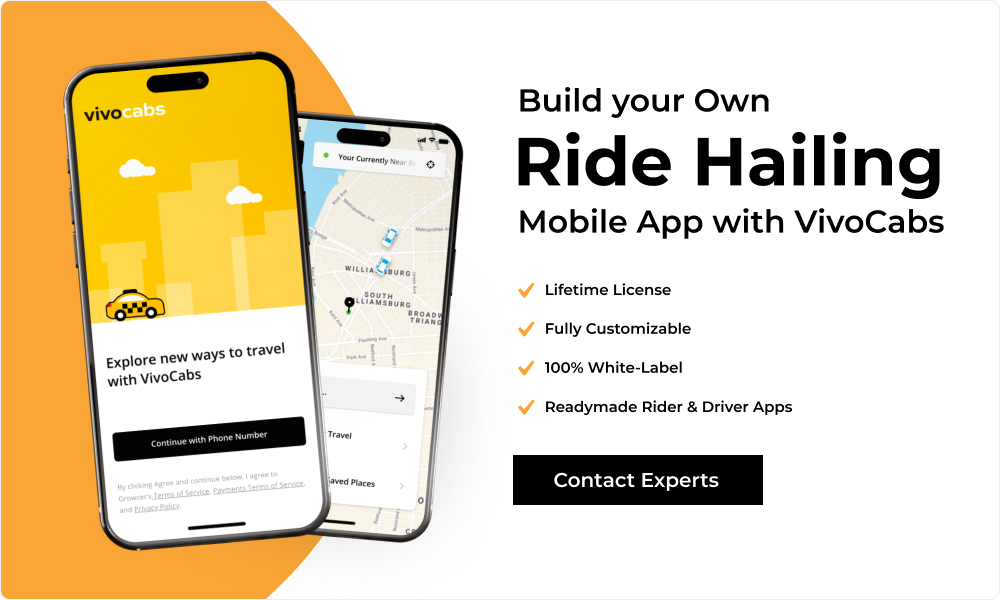


The ride-hailing industry has transformed urban transportation by making on-demand mobility more accessible, convenient, and technology-driven. Entrepreneurs, taxi businesses, fleet operators, and mobility startups are increasingly launching their own Uber-like platforms to tap into the growing demand for digital transportation services.
However, building and managing a successful ride-hailing business comes with several operational and financial challenges. Businesses often struggle with rising fuel costs, driver management issues, customer complaints, vehicle downtime, low fleet utilization, and high administrative workloads. Managing transportation operations manually through phone bookings or outdated operational systems can further increase operational expenses while limiting scalability and overall efficiency.
This is where ride-hailing software becomes a game changer.
Ride-hailing software is a ready-made technology solution that helps businesses launch and manage their own ride-hailing mobile app platform. These solutions typically include a rider app, driver app, admin panel, payment integrations, and fleet management tools that automate and streamline day-to-day transportation operations.
Modern ride-hailing software helps businesses reduce operational costs and improve efficiency through features such as:
- Smart ride allocation
- Real-time GPS tracking
- Route optimization
- Driver management tools
- Fleet monitoring
- Analytics dashboards
- Digital payment systems
- Automated reporting
By automating core business operations, ride-hailing software enables transportation businesses to improve fleet utilization, reduce unnecessary expenses, enhance customer experiences, and scale operations more efficiently.
Table of Contents
Understanding Ride-Hailing Software
Ride-hailing software is a white-label technology solution that enables entrepreneurs, taxi businesses, and transportation companies to launch and operate their own Uber-like ride-hailing platform. Instead of spending significant time and resources building a transportation app from scratch, businesses can use ready-made ride-hailing software to quickly enter the market with essential operational and customer-facing features already integrated.
A typical ride-hailing software solution includes:
- Rider App
- Driver App
- Admin Dashboard
- Fleet Management System
- Payment Gateway Integration
- Analytics and Reporting Tools
The rider app allows customers to book rides, track drivers in real time, make digital payments, and access ride history. Similarly, the driver app helps drivers manage ride requests, access navigation, track earnings, and update trip statuses directly through their smartphones. These apps work together to create a seamless ride-booking experience for both riders and drivers.
The admin dashboard acts as the central control panel for the business, allowing operators to manage daily transportation operations efficiently. Through the dashboard, businesses can monitor rides, manage drivers, track vehicles, configure pricing, handle payments, oversee customer support activities, and analyze overall business performance from a single interface.
Modern ride-hailing software also integrates advanced technologies such as:
- Real-time GPS tracking
- Intelligent ride allocation systems
- Predictive analytics
- Route optimization
- Driver behavior monitoring
- Automated notifications
- Dynamic pricing systems
These technologies help businesses automate operations, improve fleet utilization, reduce manual workload, enhance customer experiences, and minimize operational inefficiencies while supporting long-term business scalability.
Build A Smarter Ride-hailing With Ride-Hailing Software
How Ride-Hailing Software Reduces Operational Costs
1. Route Optimization Helps Reduce Fuel Costs
One of the most effective ways ride-hailing software reduces operational expenses is through intelligent route optimization. Modern ride-hailing apps leverage GPS tracking and real-time traffic insights to identify the fastest and most fuel-efficient routes for drivers. Through the driver app, drivers receive optimized navigation instructions that help them avoid traffic congestion, roadblocks, and unnecessary detours, ultimately improving overall ride efficiency.
By optimizing routes and reducing unnecessary travel time, businesses can:
- Reduce fuel consumption
- Lower idle driving time
- Complete more rides per shift
- Improve trip turnaround time
- Reduce driver overtime costs
Efficient route planning not only helps businesses cut operational costs but also enhances the customer experience by enabling faster pickups, more accurate ETAs, and shorter ride durations.
2. Automated Ride Management Minimizes Manual Work
Traditional ride management processes often require businesses to manually coordinate bookings and drivers, leading to operational delays, communication gaps, and increased staffing costs. Ride-hailing software helps automate these processes through intelligent ride allocation systems that instantly connect riders with nearby available drivers, ensuring faster and more efficient ride management.
Using the admin panel, businesses can efficiently manage transportation operations and:
- Automatically assign rides
- Reduce operational errors
- Improve driver availability
- Minimize booking delays
- Handle high ride volumes efficiently
By automating ride management activities, businesses can streamline daily operations, improve service efficiency, and scale their ride-hailing platform without significantly increasing administrative workload or operational expenses.
3. Real-Time Fleet Tracking Improves Vehicle Utilization
Ride-hailing software provides real-time fleet tracking capabilities that allow businesses to monitor vehicles, drivers, and ongoing trips through a centralized admin dashboard. This real-time visibility helps operators manage transportation activities more efficiently while improving overall fleet utilization.
Using fleet tracking tools, businesses can monitor:
- Driver locations
- Ride progress
- Vehicle movement
- Driver availability
- Idle vehicles
- Route deviations
With better operational visibility, businesses can identify inefficiencies, reduce unnecessary vehicle inactivity, and optimize overall fleet performance. Real-time tracking also helps improve ride coordination and ensures smoother day-to-day transportation management.
Improved fleet utilization enables businesses to:
- Increase ride completion rates
- Reduce inactive vehicle hours
- Improve driver productivity
- Generate higher revenue per vehicle
By maximizing vehicle usage and minimizing operational inefficiencies, ride-hailing businesses can significantly improve both profitability and service quality.
Launch a Feature-rich Ride-Hailing Mobile App
4. Predictive Maintenance Reduces Downtime
Vehicle downtime can directly impact revenue generation and operational efficiency in ride-hailing businesses. When vehicles remain unavailable due to unexpected breakdowns or delayed servicing, businesses may experience reduced ride availability, lower customer satisfaction, and lost revenue opportunities.
Modern ride-hailing software often includes fleet maintenance and vehicle monitoring tools that help businesses track vehicle health and schedule preventive maintenance proactively. Maintenance scheduling can be managed based on:
- Mileage
- Service intervals
- Vehicle diagnostics
- Driver reports
- Engine performance
This proactive maintenance approach helps businesses:
- Reduce unexpected breakdowns
- Lower repair costs
- Extend vehicle lifespan
- Improve fleet availability
- Enhance driver safety
Additionally, automated maintenance reminders ensure that servicing schedules are not missed, helping businesses maintain smoother fleet operations while minimizing long-term maintenance expenses.
5. Automation Reduces Administrative Expenses
Managing transportation operations manually can consume significant time, effort, and administrative resources. Tasks such as processing payments, maintaining ride records, managing payroll, and handling customer communication can become increasingly complex as ride volumes grow.
Ride-hailing software helps automate several administrative operations, including:
- Driver payouts
- Ride invoices
- Tax calculations
- Customer notifications
- Payroll management
- Ride history tracking
- Reporting and analytics
By automating these routine processes, businesses can:
- Reduce paperwork
- Minimize human errors
- Lower staffing requirements
- Improve accounting accuracy
- Simplify operational management
Administrative automation not only improves operational efficiency but also allows business owners and management teams to focus more on business growth, customer acquisition, and service improvement instead of repetitive manual tasks.
6. Driver Management Features Improve Productivity
Drivers play a critical role in the success and operational efficiency of any ride-hailing platform. Managing driver performance effectively is essential for maintaining service quality, improving customer satisfaction, and maximizing ride completion rates.
Modern ride-hailing software includes advanced driver management tools that help businesses monitor driver activity, track performance, and improve overall productivity. These features often include:
- Driver onboarding
- Performance tracking
- Ride acceptance monitoring
- Driver ratings and reviews
- Shift scheduling
- Incentive management
- Attendance tracking
Using these insights, businesses can:
- Reduce ride cancellations
- Improve service quality
- Increase driver productivity
- Identify underperforming drivers
Additionally, driver behavior monitoring helps businesses encourage safer and more efficient driving practices by reducing:
- Rash driving
- Excessive idling
- Fuel wastage
- Traffic violations
- Accident-related expenses
By improving driver management and operational visibility, ride-hailing businesses can create a more reliable transportation experience while optimizing operational costs and overall platform performance.
7. Better Customer Experience Reduces Customer Churn
Customer retention plays a major role in ensuring long-term profitability and sustainable growth in the ride-hailing industry. A smooth and reliable user experience encourages riders to continue using the platform while helping businesses build stronger customer loyalty.
Ride-hailing software enhances the customer experience through features such as:
- Real-time ride tracking
- Instant ride booking
- Accurate ETAs
- In-app communication
- Digital payments
- Ride history access
- Automated notifications
These features improve overall convenience, transparency, and trust among riders, resulting in a more seamless booking experience from pickup to payment.
Satisfied customers are more likely to:
- Rebook rides
- Recommend the platform to others
- Leave positive reviews
- Spend more over time
By improving customer satisfaction and retention, businesses can reduce customer acquisition costs, strengthen brand reputation, and achieve more sustainable long-term growth.
8. Analytics and Reporting Improve Decision-Making
Modern ride-hailing software includes advanced analytics and reporting dashboards that provide businesses with valuable operational insights. These analytics tools help business owners monitor platform performance, identify operational inefficiencies, and make more informed business decisions.
Using analytics dashboards, businesses can track:
- Revenue performance
- Ride demand patterns
- Peak booking hours
- Driver productivity
- Cancellation rates
- Customer behavior
- Fleet utilization
- Fuel efficiency
These insights enable businesses to optimize operations and improve overall platform efficiency through data-driven decision-making.
For example, businesses can:
- Deploy drivers in high-demand locations
- Adjust pricing strategies
- Reduce driver shortages
- Optimize ride allocation
- Improve operational planning
By leveraging real-time analytics and performance reporting, ride-hailing businesses can improve operational efficiency, enhance customer experiences, and maximize overall profitability.
Operational Efficiency Benefits of Ride-Hailing Software
Beyond reducing operational costs, ride-hailing software plays a crucial role in improving overall business efficiency. By automating daily transportation operations and providing better operational visibility, these platforms help businesses manage rides more effectively, improve resource utilization, and deliver a smoother experience for both riders and drivers.
Modern ride-hailing software helps businesses streamline operations through intelligent automation, centralized management tools, real-time tracking capabilities, and scalable infrastructure. This enables ride-hailing businesses to handle growing ride volumes efficiently while maintaining service quality and operational control.
1. Faster Ride Matching
Modern ride-hailing platforms use intelligent ride-matching systems to quickly connect riders with nearby available drivers. This reduces customer waiting times, improves ride completion rates, and enhances overall service efficiency. Faster ride matching also helps drivers reduce idle time and complete more rides during peak operational hours.
2. Centralized Operational Control
The admin dashboard acts as a centralized management system that gives businesses complete visibility into their transportation operations. Through a single interface, operators can monitor:
- Drivers
- Vehicles
- Trips
- Payments
- Complaints
- Analytics
- Customer activity
This centralized visibility helps businesses improve operational coordination, monitor platform performance more effectively, and make faster business decisions.
3. Scalable Business Operations
White-label ride-hailing software allows businesses to scale operations efficiently without rebuilding their technology infrastructure from scratch. As the business grows, operators can easily expand their services and manage increasing operational demands through the same platform.
Businesses can:
- Add more drivers
- Expand service areas
- Launch new ride categories
- Manage larger fleets efficiently
This scalability helps businesses support long-term growth while maintaining operational efficiency.
4. Improved Resource Allocation
AI-powered ride allocation systems help businesses distribute drivers more effectively across high-demand areas. By analyzing ride demand patterns and driver availability in real time, businesses can improve fleet utilization, reduce idle time, and enhance overall operational productivity.
5. Better Communication
Integrated messaging and notification systems improve communication between riders, drivers, and administrators throughout the ride journey. Real-time communication helps reduce misunderstandings, improve coordination, and create a smoother customer experience while ensuring better operational management.
Fleet optimization is a critical component of running a profitable and efficient ride-hailing business. Since vehicles and drivers form the core of ride-hailing operations, efficiently managing fleet movement, vehicle availability, and ride demand directly impacts operational costs, customer satisfaction, and overall revenue generation.
Modern ride-hailing software helps businesses optimize fleet operations by providing real-time visibility, automation, and data-driven operational insights. These platforms enable businesses to manage vehicle utilization more effectively while minimizing idle time and operational inefficiencies.
Key fleet optimization capabilities include:
- Real-time vehicle tracking
- Demand forecasting
- Driver balancing
- Intelligent ride allocation
- Preventive maintenance scheduling
- Idle time reduction
By leveraging these capabilities, businesses can better align driver availability with customer demand, improve ride availability during peak hours, and ensure vehicles are being utilized efficiently across operational areas.
Effective fleet optimization helps businesses:
- Improve ride completion rates
- Reduce operational waste
- Increase vehicle productivity
- Improve customer experiences
- Maximize revenue generation
Additionally, optimized fleet management helps businesses reduce unnecessary fuel consumption, lower vehicle downtime, and improve driver productivity, all of which contribute to better long-term profitability.
As ride-hailing businesses continue to scale, efficient fleet optimization becomes even more important for maintaining operational efficiency, ensuring service reliability, and supporting sustainable business growth.
How VivoCabs Helps Businesses Launch Efficient Ride-Hailing App
Businesses planning to launch or modernize a ride-hailing platform can consider VivoCabs as a comprehensive white-label ride-hailing software solution designed for startups, taxi businesses, fleet operators, and enterprise mobility providers. Instead of building a ride-hailing platform from scratch, businesses can leverage VivoCabs to quickly launch their own Uber-like app with pre-built operational, management, and customer-focused features.
VivoCabs offers a complete ride-hailing ecosystem that includes:
- Rider apps
- Driver apps
- Admin dashboard
- Fleet management tools
- Real-time ride tracking
- Smart ride management
- Dynamic pricing
- Route optimization
- Multi-payment integrations
- Analytics dashboards
- Corporate ride management
The platform is built to simplify transportation operations while helping businesses improve overall efficiency and scalability. Through centralized management tools and intelligent automation capabilities, businesses can efficiently manage drivers, monitor rides, optimize fleet utilization, and enhance the overall customer experience.
By using VivoCabs, businesses can:
- Reduce operational costs
- Improve driver utilization
- Automate ride management
- Enhance customer experiences
- Scale transportation operations efficiently
Its customizable architecture and ready-made infrastructure make VivoCabs a suitable solution for entrepreneurs and businesses looking to launch a taxi booking app, corporate mobility platform, or full-scale Uber-like ride-hailing business with faster market entry and lower development complexity.
Explore How VivoCabs Works
Conclusion
Ride-hailing software has evolved far beyond a simple ride-booking solution. Today, it serves as a complete operational management platform that helps entrepreneurs and transportation businesses launch, manage, and scale efficient ride-hailing operations.
From automated ride management and route optimization to driver management and real-time fleet tracking, ride-hailing software helps businesses streamline operations while reducing unnecessary costs and inefficiencies.
By leveraging automation, analytics, and intelligent operational tools, businesses can improve fleet utilization, enhance customer satisfaction, reduce administrative overhead, and increase long-term profitability.
As competition in the mobility industry continues to grow, investing in the right ride-hailing software can provide businesses with the technology foundation needed to build scalable, efficient, and future-ready transportation platforms.
Build a Scalable Ride-Hailing Mobile App
Contact UsPopular Posts