

Corporate travel inefficiencies in the UK continue to erode operational budgets through unmanaged bookings, unpredictable pricing, and a lack of centralized control. For enterprises focused on cost optimization and compliance, these gaps create both financial and administrative burdens. Modern mobility platforms such as Gett are addressing this challenge by introducing centralized technology, control, and scalability to business travel.
For entrepreneurs and mobility providers, this shift presents a massive opportunity. Building a Gett-like app in the UK means more than launching a ride-hailing service; it means creating a smart mobility ecosystem that businesses can rely on. With the right features and strategy, you can tap into a growing market that values reliability, control, and efficiency over everything else.
This guide will walk you through every step from conceptualizing the idea and defining features to choosing the right technology stack and ensuring regulatory compliance, helping you launch a ride-hailing app that resonates with the UK audience and sets new standards in urban mobility.
Table of Contents
What is Gett & Why is it popular?
Gett is more of just another ride-hailing app. It is a B2B-focused corporate mobility platform that has redefined how businesses manage employee transportation. Unlike traditional ride-hailing apps that cater primarily to individual users, Gett is designed to serve corporate clients, connecting companies with licensed taxi fleets to ensure reliable, safe, and efficient travel for employees.
Here’s why Gett stands out :
1. Corporate Ride Management Solutions
Gett provides a centralized system where businesses can book, monitor, and manage all employee rides. This reduces coordination efforts, improves scheduling, and keeps travel operations organized.
2. Fixed Pricing Models
Unlike apps that use dynamic surge pricing, Gett provides transparent, fixed fares for corporate rides. This predictability allows companies to budget transportation costs effectively and avoid unexpected expenses, a critical advantage for financial planning.
3. Focus on Licensed Taxi Fleets
By working exclusively with licensed taxi providers, Gett ensures that every ride meets safety, legal, and service quality standards, a key requirement for corporate clients.
4. Expense Management Integration
Gett is integrated with expense reporting tools, allowing businesses to automate invoicing, track ride costs, and generate reports seamlessly. This reduces administrative work and improves operational efficiency.
Gett’s business-first approach makes it a preferred choice for companies looking for a more controlled and efficient alternative to traditional ride-hailing services.
Market Overview: Why Build an App Like Gett in the UK
Understanding the market dynamics is critical if you plan to build an app like Gett in the UK. The ride‑hailing sector has become a cornerstone of modern urban mobility, reshaping how people travel within cities. With shifting consumer behaviour, increasing digital adoption, and evolving transport needs, now is an exciting time to enter the UK ride‑hailing space.
UK Ride‑Hailing Market Growth
Below are the latest reliable insights that explain why the UK market presents a strong opportunity:
- Rapid Revenue Expansion
A report by Grand View Research depicts that the UK ride‑hailing market will generate revenue of $6.8 billion by 2033, growing at a CAGR of 19.5% from 2026 to 2033. It reflects the strong shift from traditional taxi services to digital, app‑based mobility solutions. This expansion signals growing consumer reliance on technologies that offer convenience, transparency, and real‑time control.
- E‑hailing as the Dominant Segment
Within ride‑hailing services, e‑hailing is the largest revenue contributor, overtaking traditional taxi bookings. Users increasingly prefer app‑based booking, GPS tracking, digital payments, and seamless UX, core elements found in apps like Gett.
- Consumer Shift Toward Mobility Apps
Urban commuters in the UK increasingly choose ride‑hailing apps for everyday travel, airport transfers, and business trips. Convenience, real‑time updates, safety features, and cashless transactions are driving this shift away from legacy taxi services.
- Urbanisation & Transportation Pressures
Major metropolitan areas in the UK are facing rising congestion, limited parking, and growing environmental concerns, making ride‑hailing platforms a preferred choice for cost‑effective and efficient mobility.
Launch a Ride-Hailing App to Tap into the Growing Mobility Market of the UK
Key Features to Build an App Like Gett
Most ride-hailing apps focus on convenience. But platforms like Gett stand out by combining convenience with control. To build a comparable solution, it’s essential to incorporate features that cater to passengers, drivers, and administrators while also including corporate-focused functionalities.
Here’s a detailed breakdown of the core features:
1. Passenger App Features
- User Registration & Profile: Passengers can quickly create accounts using email, phone number, or social media logins. Their profiles store ride preferences, saved addresses, and payment methods, making future bookings faster and more personalized.
- Ride Booking (Instant/Scheduled): Users can book a ride immediately or schedule it for a future time. This feature provides flexibility for daily commuting, airport transfers, or planned business trips, ensuring convenience for all travel needs.
- Fare Estimation: Before confirming a ride, passengers can view the estimated fare based on distance, traffic, and vehicle type. This transparency builds trust and helps users plan their travel expenses effectively.
- Real-Time Tracking (GPS): Passengers can track their driver’s exact location in real time. This enhances safety, gives accurate arrival times, and reduces uncertainty while waiting for the ride.
- Multiple Payment Options: The app supports various payment methods such as credit/debit cards, digital wallets, and in-app payment systems. This ensures secure, smooth, and cashless transactions for a seamless experience.
- Ride History: Users can access a complete record of all past trips, including fare, route, and driver details. This is useful for reimbursements, auditing, or tracking travel patterns for loyalty programs.
- Ratings & Reviews: After each ride, passengers can rate their experience and provide feedback. This encourages drivers to maintain high service standards and helps the platform improve overall quality.
2. Driver App Features
- Driver Onboarding & Verification: Drivers can register and submit necessary documents for verification. This ensures that only licensed and background-checked drivers join the platform, maintaining safety and legal compliance.
- Ride Request Management: Drivers receive notifications for new ride requests and can choose to accept or decline them. This flexibility allows them to manage their schedule efficiently while ensuring prompt service for passengers.
- Navigation Integration: The app provides turn-by-turn directions and live traffic updates. This helps drivers reach passengers quickly and choose the most efficient routes, improving punctuality and reducing ride times.
- Earnings Dashboard: Drivers can track their daily, weekly, and monthly earnings, including bonuses or incentives. This transparency motivates drivers and allows them to manage their finances effectively.
- Availability Toggle: Drivers can switch between online and offline status as needed. This gives them control over their work hours while ensuring the platform maintains enough active drivers to meet demand.
3. Admin Panel Features
- User & Driver Management: Admins can monitor, approve, or suspend passenger and driver accounts. This ensures platform integrity and allows quick resolution of any issues that may arise.
- Pricing Control: Admins can set base fares, surge pricing, and discounts. This flexibility allows the platform to stay competitive while maximizing profitability.
- Commission Settings: Admins can define how much commission the platform earns from each ride. This simplifies revenue tracking and ensures financial operations are transparent.
- Analytics Dashboard: The platform provides detailed insights on ride trends, peak hours, driver performance, and user activity. This data helps make informed decisions and optimize operations.
- Customer Support Tools: Admins can manage customer queries, complaints, or feedback through chat or ticketing systems. Efficient support improves user satisfaction and trust in the platform.
4. Corporate Module Features
- Business Accounts: Companies can create corporate profiles to manage multiple employee accounts under a single dashboard. This streamlines business travel and simplifies ride tracking.
- Centralized Billing: All rides taken by employees are billed collectively to the company. This eliminates individual expense reporting and simplifies accounting.
- Employee Ride Tracking: Admins can monitor employee trips in real time, ensuring safety, compliance, and efficient route management.
- Expense Reports: The platform automatically generates detailed reports for corporate rides. This helps companies track travel expenses, reimbursements, and budget planning without manual effort.
- Policy-Based Bookings: Admins can define rules such as preferred vehicle types, maximum trip costs, or approved routes. This ensures employees follow company travel policies while maintaining cost control.
Legal & Compliance for Ride-Hailing Apps in the UK
Entering the UK ride-hailing market means navigating a structured and tightly regulated environment. Beyond building a functional app, businesses must align with legal frameworks that govern safety, licensing, data protection, and operational transparency. These regulations are designed to protect passengers while ensuring accountability across the entire mobility ecosystem.
For entrepreneurs aiming to build a platform similar to Gett, getting compliance right from the start is essential. It not only reduces legal risk but also strengthens credibility with users, drivers, and corporate clients.
Key Compliance Requirements:
- Private Hire Vehicle (PHV) Licensing
All vehicles used for ride-hailing services must be licensed by the local Transport for London or other relevant local authorities. Licensing ensures vehicles meet safety and emissions standards, and only approved cars can operate commercially.
- Driver Background Checks
Drivers must undergo thorough background checks, including criminal record screening and verification of their driving license. The Disclosure and Barring Service (DBS) checks are mandatory for ensuring that drivers are safe and trustworthy, providing passengers with peace of mind.
- Insurance Compliance
Ride-hailing companies must ensure drivers carry appropriate commercial insurance for passenger transport. Standard personal insurance policies are not sufficient and can lead to penalties or liability issues.
- GDPR Compliance
Handling user data requires strict adherence to the General Data Protection Regulation (GDPR). Ride-hailing apps collect sensitive information, including location, payment details, and personal profiles, making compliance essential to avoid legal penalties and build user trust.
Build a Secure and Regulation-Ready Ride-Hailing App
Step-by-Step Process to Build an App Like Gett
Building a ride-hailing app like Gett requires a well-defined strategy, careful planning, execution, and a deep understanding of market dynamics. Each step in the process contributes to creating a platform that is scalable, user-friendly, and aligned with the expectations of both corporate clients and individual users in the UK.
Here’s a detailed breakdown to guide you from idea to launch:
Step 1: Market Research & Niche Selection
Before initiating development, it is essential to conduct comprehensive market research to understand user demand, competitor strategies, and potential gaps in the market. A clear understanding of your target audience helps define the app’s niche and feature priorities:
- Corporate Mobility: Focuses on businesses and employee transportation, offering capabilities like centralized billing, ride tracking, and policy-based bookings. This niche often results in higher retention and predictable revenue streams.
- Ride-Sharing: Targets individual commuters who need on-demand rides for daily transport, catering to urban users who value convenience and time savings.
- Budget Rides: Caters to price-sensitive customers with affordable options and basic ride services, appealing to students or casual users looking for economical travel.
Beyond niche selection, analyze competitors operating in the UK market, including platforms like Gett, Bolt, or Ola. Study their strengths, limitations, pricing models, and customer feedback.
Additionally, assess urban travel patterns, peak hours, and commuter behavior. Understanding these patterns will help optimize routing, pricing strategies, and service availability. Evaluating user expectations around app usability, safety, and loyalty programs ensures your platform is not only functional but also competitive and differentiated.
Step 2: Define Revenue Models
A sustainable and well-structured revenue model is crucial to the long-term viability of your ride-hailing platform. It determines how your business generates sustainable income while remaining attractive to the right audience.
- Commission per Ride (15-30%): The platform earns a percentage from each completed ride, creating a revenue stream directly tied to usage. This encourages growth as more rides are completed.
- Subscription for Businesses: Corporate clients pay recurring fees for premium services like centralized billing, employee ride tracking, and policy-based bookings. This ensures predictable revenue and strengthens long-term business relationships.
- Surge Pricing: Charging higher fares during peak hours, bad weather, or high-demand periods helps balance supply and demand while increasing profitability.
- Advertising Revenue: Integrating in-app ads or partner promotions provides an additional revenue stream without increasing ride costs, effectively leveraging the app’s user base.
Combining multiple revenue streams allows you to diversify income while offering flexibility and scalability. Aligning your business model with your target audience, whether corporate clients, daily commuters, or budget-conscious users, ensures your app remains competitive and financially sustainable in the UK ride-hailing market.
Step 3: Choose Development Approach
Deciding how to build your ride-hailing app impacts cost, timeline, scalability, and feature flexibility. There are two main approaches:
1. Custom Development
Custom development involves building your app from scratch, giving you full control over design, features, and backend architecture. This approach is ideal for complex apps with unique corporate modules, advanced analytics, or proprietary algorithms. You can tailor the app to your exact business requirements and scale it as your user base grows.
Pros:
- Complete control over features and design.
- Highly scalable and flexible for future upgrades.
- Ability to differentiate significantly from competitors.
Cons:
- High initial development cost.
- Longer time-to-market.
- Requires skilled development teams and ongoing maintenance.
Custom development is perfect if your goal is to create a highly differentiated corporate mobility platform with long-term growth in mind.
2. Ready-Made Solution
A ready-made solution uses pre-built frameworks and templates to accelerate app development. You can quickly launch an MVP or test the market with minimal investment. While the core functionality is already developed, customization options may be limited, and some advanced features may require additional integration.
Pros:
- Faster launch with minimal development time.
- Lower upfront costs compared to custom development.
- Useful for testing the market
Cons:
- May involve a learning curve when adapting the solution to specific business requirements
Suggested Read: Top Ride-Hailing Software in the UK
The decision to choose between custom and ready-made solutions depends on your budget, time-to-market, and long-term vision.
Start Building Your Gett-Like App with the Right Readymade Solution
Step 4: Launch & Marketing
The next step is to launch your ride-hailing app on platforms like the Google Play Store and Apple App Store. However, a successful launch goes beyond deployment; it requires a strong marketing strategy to attract both passengers and drivers from day one.
- Digital Advertising: Use targeted social media campaigns, search engine ads, and content marketing to reach your audience. These channels help create awareness, drive app downloads, and position your platform in front of the right users at the right time.
- Referral Programs: Encourage early users and drivers to invite others by offering incentives such as ride discounts or bonus earnings. This strategy helps build a user base quickly through word-of-mouth and increases engagement.
- PR & Partnerships: Collaborate with corporate clients, local taxi associations, and participate in community or city events to establish trust and credibility. Partnerships can also provide access to a wider audience and strengthen your brand presence.
Additionally, focus on collecting user reviews, optimizing your app store listings, and continuously refining your marketing approach based on performance. A well-executed launch and marketing plan ensures strong initial traction, sustained growth, and long-term success in the ride-hailing market.
Launch Your Ride-Hailing App With VivoCabs
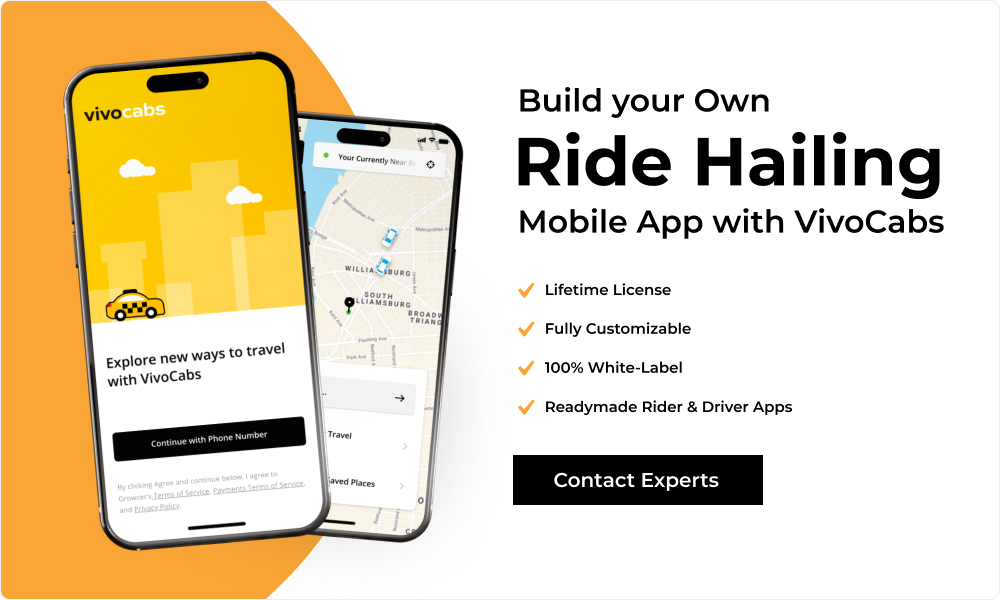
VivoCabs is a comprehensive, enterprise-grade white-label ride-hailing software built for startups, taxi companies, and transportation enterprises aiming to launch a fully branded mobility platform. Designed with scalability at its core, it supports high ride volumes, seamless multi-city operations, and long-term business growth. Whether you want to digitize an existing taxi fleet or build an app like gett, VivoCabs provides a reliable and flexible foundation to bring your vision to life.
As a white-label solution, VivoCabs gives you complete control over branding, commission structures, payment gateways, and service offerings. This flexibility makes it suitable for diverse business models from local ride-hailing services to large-scale, multi-country marketplaces. With options like source code ownership and advanced customization, businesses can scale independently without being constrained by third-party limitations.
VivoCabs is Ideal for Building an App Like Gett
- 100% White-Label Solution
Launch your platform under your own brand with full control over design, features, and user experience. This helps build a strong brand identity and customer trust in competitive markets.
- Advanced Admin Dashboard with Real-Time Analytics
Gain access to powerful insights on rides, revenue, user activity, and driver performance. This enables data-driven decisions and efficient business management.
- Multi-Payment Integrations
Supports multiple payment methods, including cards, digital wallets, and region-specific gateways, ensuring a smooth and secure checkout experience for users.
- Source Code Ownership Option
Provides full control over your platform, allowing deeper customization, enhanced security, and long-term independence from third-party vendors.
- Multi-Country & Multi-Currency Support
Expand your operations globally with ease by supporting different currencies, languages, and regional settings without major redevelopment.
- Scalable Architecture
Built to handle increasing traffic, user growth, and ride demand, ensuring consistent performance as your business scales.
See VivoCabs in Action
Conclusion
Building a ride-hailing app like Gett in the UK is no longer just an innovative idea. It’s a strategic business move in a rapidly evolving mobility landscape. With corporate travel demands rising and businesses prioritizing efficiency, transparency, and control, the need for intelligent, tech-driven transportation solutions has never been greater.
The opportunity is significant, but success depends on how well you execute. Businesses that focus on scalability, compliance, and user-centric features will be better positioned to stand out. A strong foundation, combining the right features, a robust technology foundation, and strict regulatory compliance, can help you build a platform that delivers real value to corporate clients.
Moving forward requires speed and clarity. Whether you opt for custom development or a solution like VivoCabs, the priority should be to launch fast, adapt quickly, and innovate continuously. The UK mobility space is growing, and early movers who act decisively will have the advantage.
Build Your Own Gett-Style Mobility App in the UK
Get In TouchPopular Posts