Australia’s urban transportation landscape is evolving at a rapid pace. The widespread adoption of mobile technology, digital payments, and on-demand services has transformed the way people move within cities. Today, commuters expect instant bookings, real-time vehicle tracking, upfront pricing, and safer travel experiences, all accessible through a mobile app. As a result, taxi and ride-hailing applications have become the preferred choice for daily travel, airport transfers, corporate rides, and even late-night commuting across major Australian cities.
This shift toward app-based mobility has opened doors to a lucrative opportunity for entrepreneurs and fleet operators looking to start a taxi app business in Australia. However, entering this market requires more than just an idea. It requires a clear understanding of local regulations, awareness of competitive dynamics, careful feature planning, realistic cost estimation, and a well-defined launch strategy. This blog is compiled to provide end-to-end clarity, from market insights to execution, helping you confidently build, launch, and scale a taxi app business that aligns with Australian user expectations and remains competitive in a fast-moving market.
Table of Contents
- Understanding the Taxi App Market in Australia
- Top Taxi & Ride-Hailing Players in Australia
- Must-Have Features of a Taxi App
- Factors Affecting the Cost to Start a Taxi App Business
- Ways to Optimize Costs
- Step-by-Step Process to Start a Taxi App Business in Australia
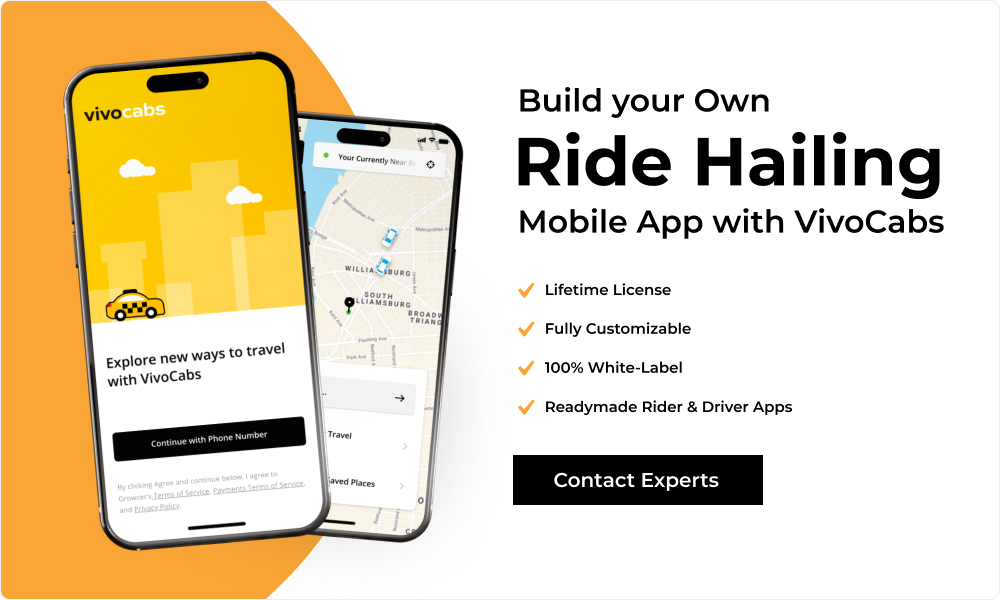
- VivoCabs: Best Readymade Software To Build a Taxi App in Australia
- Conclusion
- FAQs
Understanding the Taxi App Market in Australia
Australia’s taxi and ride-hailing sector has proliferated with the growth of smartphones, digital payments, and urban mobility trends. App-based taxi bookings now dominate over telephone or street hails because of their convenience, real-time tracking, and fare transparency.
Key Growth & Consumer Insights:
1. Rising Market Value: According to Statista, the Australian ride-hailing market is estimated to grow annually at a rate of 2.43% from 2025 to 2030, resulting in a projected market volume of $2.10 billion by 2030.
2. App Usage Preference: Over 70% of Australians choose app-based taxi bookings over traditional street hails or phone reservations.
3. Women Riders & Safety: A significant portion of female passengers (around 60%) prefer app-based bookings due to enhanced safety features, verified driver profiles, and real-time GPS tracking.
4. Cashless Payments Dominance: Digital payments, including mobile wallets and card transactions, account for more than 70% of all ride payments, reflecting consumer preference for secure and contactless transactions.
Top Taxi & Ride-Hailing Players in Australia
Understanding the competitive landscape is essential for shaping a strong market entry strategy and identifying market gaps in Australia’s evolving mobility ecosystem. Leading taxi and ride-hailing players have set high standards by offering seamless convenience, real-time vehicle tracking, cashless payment options, and enhanced safety features. These standards have reshaped customer expectations and enabled both global brands and well-established local players to thrive in Australia’s highly competitive on-demand transportation market.
1. Uber: Uber continues to dominate ride-hailing across major Australian cities. Its strength lies in reliable services, upfront pricing, and extensive driver networks. Additionally, strong brand recognition makes Uber the reference point for new entrants entering the market.
2. DiDi: DiDi has built its presence through competitive pricing, frequent user incentives, and affordable ride options. Its value-driven approach has helped it gain meaningful market share in Australia’s metropolitan regions.
3. 13cabs: 13cabs is one of Australia’s largest traditional taxi networks, operating tens of thousands of vehicles across cities and regional centers. It combines traditional dispatch with modern app bookings, making it familiar to a broad user base.
4. GoCatch: GoCatch is a locally developed Australian taxi-booking app that integrates taxi fleets with digital hailing. It supports diverse payment options and is known for strong local adoption and partnerships with Australian drivers.
5. Ingogo: Founded in Sydney, Ingogo focuses heavily on business and corporate travel. Its GPS-enabled booking, automated billing, and expense-friendly workflows make it a preferred option for frequent and corporate riders.
The above-mentioned players illustrate how diverse business models, pricing strategies, and target audiences coexist within Australia’s taxi and ride-hailing market, offering valuable lessons for new platforms planning to enter the space.
Want to Create a Taxi App Similar to Uber?
Must-Have Features of a Taxi App
To build a taxi app business in Australia that meets user expectations and competes effectively with established platforms, your app must be built around a carefully defined feature set. Core features directly influence customer satisfaction, driver adoption, and overall operational efficiency. Given below is a list of essential features that you must integrate into your ride-hailing app:
1. User Registration & Profile Management: Allows passengers and drivers to sign up easily, manage personal details, verify identity, and save preferences for a faster and more secure booking experience.
2. Ride Booking & Scheduling: Enables users to book instant rides or schedule trips in advance, with flexible pickup and drop-off location selection to suit different travel needs.
3. Real-Time GPS Tracking: Provides live vehicle tracking, allowing passengers to monitor driver location, estimated arrival time, and route progress, improving transparency and trust.
4. Fare Estimation & Pricing Transparency: Displays upfront fare estimates based on distance, time, and demand, helping users make informed travel decisions before confirming a ride.
5. Multiple Payment Options: Supports secure digital payments, including credit cards, debit cards, mobile wallets, and cashless transactions for user convenience.
6. Driver & Vehicle Verification: Ensures driver background checks, license validation, and vehicle compliance processes to ensure passenger safety and consistent service quality.
7. In-App Communication: Allows passengers and drivers to communicate via chat or calls without sharing personal contact details.
8. Ratings & Reviews System: Enables users to rate trips and provide feedback, improving service quality, driver accountability, and platform credibility.
9. Safety & Emergency Features: Integrates SOS buttons, trip sharing options, and emergency contact alerts to enhance passenger safety during rides.
10. Admin Dashboard & Analytics: Provides operators with real-time insights, ride management tools, revenue reports, and performance analytics to manage and scale operations efficiently.
Factors Affecting the Cost to Start a Taxi App Business
The cost of starting a taxi app business in Australia is influenced by several interconnected factors, ranging from the technical complexity of the platform to regulatory compliance and go-to-market strategy. While development is often the most visible expense, long-term success depends on balancing technology investment with operational readiness, marketing, and scalability planning. Understanding these cost drivers early helps entrepreneurs allocate budgets more effectively and avoid unexpected expenses as the business grows.
| Cost Component | Description |
|---|---|
| App Development Cost | Covers development of passenger and driver apps, admin panel, backend systems, UI/UX design, third-party integrations, testing, and deployment for Android and iOS platforms. |
| Legal, Licensing & Compliance Costs | Includes business registration, GST compliance, taxi operator licenses, driver accreditation, vehicle certifications, and approvals required by state transport authorities. |
| Technology & Infrastructure Expenses | Involves cloud hosting, servers, APIs, GPS tracking, map services, data storage, cybersecurity measures, and ongoing system updates. |
| Driver Onboarding & Training Costs | Covers recruitment campaigns, background verification, driver training programs, onboarding incentives, and initial operational support. |
| Marketing & User Acquisition Budget | Includes app store optimization, digital advertising, referral programs, promotional discounts, influencer marketing, and local awareness campaigns. |
| Operations & Customer Support Costs | Consists of customer support teams, dispute resolution tools, driver assistance systems, and salaries for operational staff. |
| Maintenance & Scalability Expenses | Accounts for regular app maintenance, bug fixes, feature upgrades, performance optimization, and infrastructure scaling as the business grows. |
The total cost to start a taxi app business varies mainly based on the development approach you choose. A custom-developed taxi app built from scratch typically requires a higher upfront investment, often between $80,000 to $165,000 or more. While this approach offers greater flexibility and control, it also involves longer development timelines and higher execution risk.
In contrast, a ready-made solution like VivoCabs significantly reduces initial costs, usually starting from $1499. This option allows faster market entry, predictable budgeting, and lower development risk, while still supporting branding and essential customizations for growth.
Ways to Optimize Costs
Cost optimization plays a critical role when launching a taxi app business, especially during the early stages. A focused, phased approach helps validate the business model, reduce financial risk, and build a strong foundation for future scale.
1. Start with a Minimum Viable Product (MVP): Launch with essential features such as ride booking, payments, and tracking to validate demand without heavy upfront investment.
2. Prioritize Core Features: Avoid building advanced or non-essential features initially and focus on functionalities that directly impact user experience and daily operations.
3. Choose Scalable Technology: Use flexible and scalable technology that supports future growth without requiring major redevelopment as user demand increases.
4. Plan Phased Feature Enhancements: Introduce additional features gradually based on user feedback and business growth to maintain better control over development expenses.
5. Leverage Cloud Infrastructure: Cloud-based hosting helps reduce infrastructure costs, supports scalability, and eliminates the need for expensive on-premise servers.
6. Optimize Marketing Spend: Focus marketing budgets on high-performing channels such as referrals, local SEO, and targeted digital campaigns to reduce customer acquisition costs.
Looking for a Cost-Effective Solution to Launch Your Taxi App Business
Step-by-Step Process to Start a Taxi App Business in Australia
Launching a taxi app business in Australia requires a structured, well-planned approach that aligns market demand, regulatory compliance, technology decisions, and go-to-market strategy. Following these steps helps reduce risk and build a solid foundation for long-term growth in a competitive mobility market.
STEP 1: Conduct Market Research & Choose Your Niche
Begin by researching target cities, commuter behavior, peak demand hours, pricing expectations, and existing competitors. This analysis helps identify service gaps and select a niche such as urban commuting, airport transfers, corporate travel, or regional taxi services where demand is strongest.
STEP 2: Decide Business/Revenue Model
Choose a business model that aligns with your operational capacity and growth goals, then define how the platform will generate revenue. Some of the popular business model includes:
- Aggregator Model: The platform connects passengers with independent drivers and earns revenue through commissions on each completed ride.
- Fleet-Owned Model: The business owns or leases vehicles and employs drivers, generating revenue from direct ride fares with higher operational control.
- Hybrid Model: Combines owned vehicles with third-party drivers, balancing control and scalability.
Common Revenue Streams:
- Ride Commissions: A percentage charged on each completed trip.
- Subscription Plans: Fixed monthly fees for drivers or corporate users.
- Surge Pricing: Higher fares during peak demand periods.
- Corporate Contracts: Pre-negotiated pricing for businesses and enterprise clients.
STEP 3: Select the Development Approach
Choosing the right development approach is a critical decision that directly impacts your app’s cost, launch timeline, scalability, and long-term business flexibility. The two most popular approaches are:
- Custom Development: Custom development allows you to build a taxi app from scratch with full control over design, features, scalability, and integrations, making it ideal for businesses seeking a unique and highly flexible platform.
- Ready-Made Software: Ready-made taxi software provides a faster and more cost-effective way to launch, offering pre-built features, proven workflows, and easier maintenance while allowing branding customization and quicker market entry.
STEP 4: Launch and Market Your App
Plan and execute a structured launch using referral programs, introductory offers, app store optimization, and targeted local marketing. Focus on driver onboarding and early user acquisition to build liquidity and brand visibility in your chosen cities.
VivoCabs: Best Readymade Software To Build a Taxi App in Australia
VivoCabs is a powerful, ready-made taxi booking software built to help entrepreneurs launch a fully functional taxi app quickly and efficiently. Designed around modern technology and user experience in mind, VivoCabs offers essential and advanced features for both riders and drivers, ensuring smooth operations, secure payments, and real-time tracking.
With a flexible and scalable architecture, VivoCabs enables businesses to enter the competitive ride-hailing market without the high cost, long timelines, or technical risk associated with building an app from scratch. It is well-suited for startups looking to validate quickly as well as established operators aiming to digitize and expand their services.
Why Choose VivoCabs?
1. Faster Launch Timeline: Pre-built, market-ready modules allow businesses to go live quickly and capitalize on market opportunities.
2. Custom Branding Flexibility: Fully customizable design, branding, and workflows ensure the platform aligns with specific business goals.
3. Cost-Effective Approach: Significantly lowers development and ongoing maintenance costs compared to custom-built solutions.
4. Scalable Architecture: Supports growth across multiple cities, higher ride volumes, and expanding user bases without performance issues.
5. Secure Payment Integration: Integrates multiple payment gateways with encrypted transactions for safe, cashless payments.
6. User-Friendly Experience: Intuitive interfaces for passengers, drivers, and admins improve adoption and day-to-day efficiency.
7. Compliance-Ready Framework: Built to adapt easily to Australian taxi regulations and regional transport requirements.
See How VivoCabs Powers Real Taxi Apps
Conclusion
Starting a taxi app business in Australia presents a strong opportunity for entrepreneurs who are ready to adapt to the country’s rapidly evolving mobility landscape. With increasing reliance on app-based transportation, users now expect convenience, safety, transparency, and reliable service at every stage of their journey. Building a successful taxi app requires a clear understanding of the market, awareness of leading competitors, careful feature planning, realistic cost estimation, and a structured execution strategy.
By conducting thorough research, complying with regulatory requirements, choosing the right development approach, and focusing on user experience, entrepreneurs can create a sustainable and competitive taxi app business. With the right planning and long-term vision, a taxi app can not only meet current market demands but also scale effectively as Australia’s urban mobility needs continue to grow.
FAQs
Q 1. Is starting a taxi app business profitable in Australia?
Ans. Yes, profitability depends on factors such as target city selection, pricing strategy, driver availability, demand patterns, and operational efficiency. High-demand segments like airport transfers and urban routes typically offer stronger revenue potential.
Q 2. Is it possible to launch a Taxi App with a small budget?
Ans. Yes, entrepreneurs can begin with a limited budget by launching an MVP, focusing on essential features, starting in a single city, and scaling gradually as demand and revenue grow.
Q 3. How long does it take to launch a taxi app in Australia?
Ans. The time to launch a taxi app depends on the approach you use to build the platform. Using ready-made software enables you to launch the app within a few weeks, while custom development may require several months for design, testing, and regulatory compliance.
Q 4. Is VivoCabs suitable for startups as well as established taxi businesses?
Ans. Yes, VivoCabs is suitable for both startups launching new taxi platforms and established taxi operators seeking to digitize operations and expand their service offerings efficiently.
Ready to Create Your Own Taxi App Business in Australia?
Get In TouchPopular Posts