Safety and convenience have become the cornerstones of modern urban mobility. As the world moves faster, the demand for safe, reliable, and comfortable transportation options has increased exponentially. However, traditional ride-hailing services often fall short when it comes to addressing the specific safety concerns of women travelers. This gap has created a unique opportunity for entrepreneurs to launch a ride-sharing app only for women, a platform that ensures security, comfort, and empowerment for female users.
Women-focused ride-sharing apps not only provide a safer commuting experience but also open doors for women drivers to enter the gig economy confidently. With the rising awareness of women’s safety and empowerment, launching such an app is not just a business idea but a social initiative that meets the growing market demand.
In this blog, you will cover everything an entrepreneur needs to know, from understanding the market need, required features, legal compliance, overcoming challenges, to leveraging ready-made ride-hailing software for a faster launch. By the end, you will have a clear roadmap to bring your women-only ride-sharing app to life.
Table of Contents
- Why a Women-Only Ride-Sharing App is Needed Today?
- Legal & Regulatory Compliance for Women-Focused Ride Startups
- Common Challenges & How to Overcome Them
- Step-by-Step Guide to Launch a Ride-Sharing App Only For Women
- How Ready-Made Ride-Hailing Software Can Speed Up Your Launch
- VivoCabs: A Reliable Solution to Launch Women-only Ride-sharing App
- Final Thoughts
- FAQs
Why a Women-Only Ride-Sharing App is Needed Today?
Urban mobility is evolving, but women’s safety remains a pressing concern. Studies show that a significant number of women feel unsafe traveling alone, especially during late hours or in unfamiliar areas. Traditional ride-hailing services, though convenient, cannot always guarantee a female-friendly environment. Moreover, given below are a few reasons that validate the need for women-only ride-sharing apps:

- Growing Safety Concerns: Incidents of harassment or unsafe travel experiences have left women seeking alternatives that prioritize their safety. A women-only ride-sharing app addresses these concerns by connecting women riders with women drivers, ensuring a safer travel environment.
- Increasing Female Workforce Participation: With more women working in corporate offices, healthcare, education, and other sectors, the need for reliable and safe commuting solutions has skyrocketed. Women commuting to late shifts or early morning hours particularly benefit from a dedicated women-focused transport service.
- Social Empowerment and Employment Opportunities: Women-only ride-hailing platforms empower female drivers by providing safe and supportive work opportunities. This helps increase employment opportunities for women while contributing to economic empowerment.
- Market Trends and Success Stories: Countries like Australia and the USA have witnessed successful launches of women-only taxi services. Examples include Shebah (Australia) and Safr (USA), which highlight the potential for growth in this niche. These platforms demonstrate that women-only ride-sharing apps are not just socially relevant but also commercially viable.
Legal & Regulatory Compliance for Women-Focused Ride Startups
Ensuring legal and regulatory compliance is critical for women-focused ride-hailing startups. Additionally, adhering to laws protects your business, builds user trust, and guarantees safe operations for both drivers and passengers.

- Licensing & Permits: Obtaining all necessary commercial vehicle licenses and ensuring proper registration under local transport authority regulations helps legally operate and avoid fines or operational disruptions.
- Insurance Requirements: Providing comprehensive passenger and driver insurance coverage while ensuring all vehicles comply with local insurance laws protects users and drivers during unexpected incidents.
- Background Verification Protocols: Maintaining thorough records of driver identity checks and criminal background screenings, and conducting regular audits ensures ongoing compliance and maintains a safe platform.
- Data Privacy Regulations: Protecting user information in compliance with GDPR or local data protection laws enhances user trust. Moreover, your platform should provide secure payment processing and encrypted storage of personal and financial data.
- Safety Regulations: Establishing standard operating procedures for emergencies and conducting regular safety training sessions for drivers helps maintain high safety standards at all times.
Common Challenges & How to Overcome Them
Launching a ride-sharing app for women comes with unique operational, safety, and market challenges. Understanding these obstacles and implementing proactive solutions ensures smoother operations and long-term success.
1. Recruiting Verified Female Drivers
Challenge: Finding enough qualified women drivers can be difficult due to safety concerns, social barriers, especially during night shifts or in less-populated areas.
Solution: To overcome this challenge, you can offer flexible schedules, incentives, training programs, and transparent verification processes, and attract and retain skilled, reliable female drivers.
2. Building User Trust in Early Stages
Challenge: New apps may face skepticism from riders who are unsure about driver quality, safety measures, or service reliability.
Solution: By promoting safety features, appointing verified drivers, and pilot programs with testimonials, enterpreneurs can address this obstacle and develop a credible platform which encourages user adoption.
3. Managing Operational Costs:
Challenge: Onboarding drivers, insurance, technology, and marketing can strain limited budgets and add to the financial investment required.
Solution: To resolve this issue, begin operations in selected high-demand areas, optimize your resources, and use technology for efficient ride management and to control expenses.
4. Ensuring Safety & Security:
Challenge: Maintaining consistent safety for riders and drivers is critical, particularly in women-focused mobility, where trust is essential. Hence, ensuring safety can pose many challenges.
Solution: To navigate this complexity, you can implement real-time GPS tracking, SOS alerts, driver audits, and regular training, as it provides a secure environment for riders and drivers.
5. Competing with Existing Ride-Hailing Services:
Challenge: Established ride-hailing services dominate the market, making it difficult for a new women-only app to gain visibility and users.
Solution: By focusing on unique selling points like women-only drivers, safety, and specialized features, you can differentiate your app and attract target users.
Build Future-Proof Ride-Sharing App for Women Commuters
Step-by-Step Guide to Launch a Ride-Sharing App Only for Women
In recent years, the demand for safe and reliable transportation options tailored specifically for women has surged worldwide. With growing awareness around gender-sensitive mobility, launching a ride-sharing app for women is both a socially impactful and commercially promising venture. However, it requires careful planning and execution to ensure safety, reliability, and user trust. Hence, given below is a step-by-step roadmap to build a successful platform that meets the needs of female commuters and drivers alike.

Step 1: Conduct Market Research
Market research is the foundation of your app’s success. Besides identifying key locations where women face commuting challenges, also analyze factors such as local traffic patterns and areas having public transport deficiencies. You can conduct surveys, interviews, and directly gather insights from women about their mobility needs and safety concerns. Moreover, study your competitors, their strengths and weaknesses, to know about the existing market gaps and know how you can make your platform stand out.
Step 2: Define Your Business Model
Choose a revenue model that balances profitability and affordability. You can consider combining commission-based earnings with subscription plans that offer premium features. For example, offer monthly subscriptions granting access to exclusive ride options, added security alerts, or priority scheduling. Moreover, you can also incorporate dynamic pricing during peak hours or special events/occasions while ensuring transparency to build trust.. A well-defined model ensures sustainable operations while building trust with users.
Step 3: Finalize The Key Feature of Your Ride-Sharing App
To ensure safety, convenience, and trust, your women-only ride-sharing app should integrate essential features that enhance the user experience and build confidence among riders and drivers. These features help your app stand out and create a secure, reliable platform. Hence, the following are some of the features that you must incorporate in your app:
- Verified Women Drivers: Ensure all drivers are female and undergo strict background checks, ensuring passengers feel safe, comfortable, and confident during every trip.
- Real-Time GPS Tracking: Your app should provide live tracking of rides, allowing both riders and their trusted contacts to monitor journeys. It also helps enhance overall security.
- SOS & Emergency Alerts: Integrate an easily accessible panic button that instantly notifies emergency contacts and authorities, providing immediate support in case of any safety issues.
- Secure In-App Communication: In-app chat and number masking allow passengers to communicate with drivers without revealing personal phone numbers or sensitive information.
- Ride Rating & Feedback System: Allows passengers to rate drivers and share feedback after each trip, ensuring accountability and helping maintain consistently high service quality.
- Pre-Scheduled Rides: Enables users to book rides in advance, making it convenient for late-night commutes, airport pickups, or early morning appointments.
- Multiple Payment Options: Your app must support cashless payments, credit/debit cards, UPI, and cash, as it offers flexibility, convenience, and a hassle-free checkout experience to the customers.
- Loyalty & Rewards Program: Helps encourage frequent use by offering discounts, reward points, and referral bonuses for riders and drivers, boosting retention and engagement.
- Driver & Vehicle Verification: Regular document checks and vehicle inspections ensure that drivers and cars meet safety and legal standards at all times.
- Push Notifications & Ride Updates: It enables riders to receive real-time notifications about ride confirmations, driver arrival, trip progress, and promotional offers, keeping them informed and engaged.
Launch Your Feature-packed Women-only Ride-Sharing App
Step 4: Decide on Development Approach
After deciding on the features, the next crucial step is to choose the development approach. However, you can either opt for custom development or ready-made software:
- Custom Development: This approach requires hiring a team of skilled developers to develop the app from the ground up and tailor it as per your requirements. Although custom development allows complete control over features and design, the cost and time taken by this approach are very high.
- Ready-Made Software: On the other hand, ready-made software is a pre-built, scalable, and cost-effective solution that allows rapid entry into the market. Moreover, they come with essential ride-hailing features and also provide customization to tailor the app to your requirements. Thus, they allow entrepreneurs to launch their app with all the benefits of custom development but at a fraction of the cost and faster deployment time.
Step 5: Launch & Market Your App
After development, the next most essential step is to promote your app. You can partner with women’s organizations, universities, and local influencers to spread awareness and run targeted social media campaigns highlighting women drivers and safety features. Additionally, introducing referral programs and exclusive discounts can help boost downloads and attract more customers. Moreover, keep collecting user feedback actively to continuously improve the app experience and trustworthiness.
How Ready-Made Ride-Hailing Software Can Speed Up Your Launch
Ready-made ride-hailing software significantly reduces development time, allowing entrepreneurs to focus on marketing, user acquisition, and growth. It provides pre-built, scalable features while minimizing technical challenges, costs, and the risk of delays during launch. Mentioned below are some of the benefits of leveraging a ready-made ride-hailing software for your women-only ride-sharing app:
Benefits of Ready-Made Ride-Hailing Software
- Faster Time-to-Market: Pre-built platforms are already market-tested, which enables rapid deployment, allowing startups to launch their women-only ride-sharing app within weeks instead of months.
- Cost-Effective Solution: Reduces development costs compared to custom-built apps while providing essential features that can be tailored to your specific business needs.
- Customizable Features: Ready-made solutions allow customization. Thus, it supports adding women-only safety features, secure payment options, and other required functionalities without starting development from scratch.
- Scalable Architecture: With their scalable infrastructure, they easily accommodate business growth, additional cities, and increased user demand without any technical disruptions.
- Proven Technology: Utilizing tested software minimizes bugs and technical failures, which ensures a smooth user experience and reliable operations from day one.
VivoCabs: A Reliable Solution to Launch Women-only Ride-sharing App
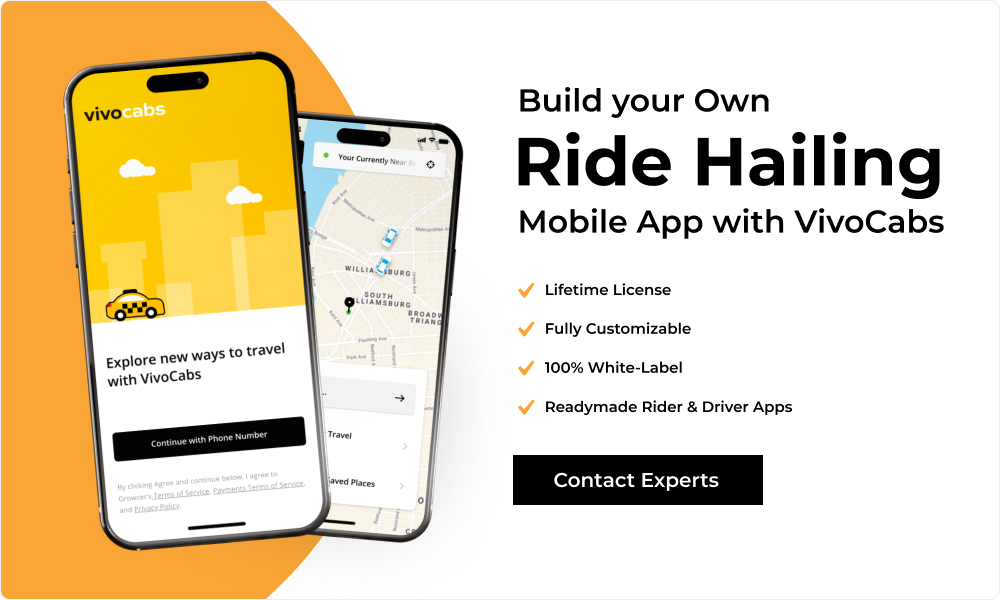
Many ready-made solutions are available in the market, but one standout option is VivoCabs, a reliable ride-hailing software that helps entrepreneurs to launch a ride-sharing app for women quickly and efficiently. VivoCabs provides a robust, customizable, and scalable platform, enabling startups to focus on branding, driver recruitment, and marketing while relying on proven technology for smooth operations.
Moreover, this robust solution is available at one time cost, making it a cost-effective solution. Further, let’s have a look at why you should leverage VivoCabs for your app development.
Why Choose VivoCabs?
- Pre-Built Security Features: It is equipped with safety features such as SOS alerts and secure in-app communication, which is a must-have for your women-only ride-sharing app.
- Cost and Time Efficiency: With its pre-built modules, it reduces development time and expenses compared to building a custom solution from scratch, enabling faster entry to the market.
- Scalability and Flexibility: VivoCabs is a scalable software that can easily support your business expansion to multiple cities and a growing user base without significant technical upgrades or downtime.
- Reliable Technology Stack: It’s built on proven technology, ensuring smooth performance, fewer bugs, and a seamless user experience from day one.
- Easy Customization: Easy customization allows entrepreneurs to easily modify features, branding, and payment options to match their business requirements and market needs.
Schedule a Personalized Demo to Explore the Full-Potential of VivoCabs
Final Thoughts
Launching a ride-sharing app only for women presents a unique opportunity to address safety concerns, empower female drivers, and meet the growing demand for secure urban mobility. By carefully planning your business model, incorporating essential safety and convenience features, ensuring legal compliance, and overcoming operational challenges, entrepreneurs can create a trusted platform that stands out in the market.
Moreover, women-only ride-sharing apps not only provide safer commuting options but also contribute to social empowerment, offering both riders and drivers confidence and independence. With the right strategy, technology, and marketing, launching a ride-sharing app only for women can be a profitable, socially impactful, and sustainable business venture in today’s urban mobility landscape.
FAQs
Q 1. How much does it cost to launch a women-only ride-sharing app?
Ans. The cost to launch a women-only ride-sharing app depends on factors such as features, design, technology stack, and more. On average, using a ready-made solution can cost between $10,000 and $25,000, while custom development may go beyond $50,000 based on complexity and integrations.
Q 2. How long does it take to launch a ride-sharing app for women?
Ans. Generally, it takes 1-2 weeks to launch a ride-sharing app for women using a ready-made solution. However, if you choose to build the platform from scratch, the process can extend up to 6–12 months or even more than that, depending on design, features, and testing requirements.
Q 3. Can I start small and scale my women-only ride-sharing app later?
Ans. Yes, you can start small and gradually scale your women-only ride-sharing platform. When you launch a ride-sharing app, it’s wise to begin with essential features and limited regions, then expand operations, add premium services, and integrate advanced technologies as your user base grows.
Q 4. What revenue models work best for women-only ride-sharing apps?
Ans. When you launch a ride-sharing app for women, you can adopt multiple revenue models:
- Commission per ride
- Subscription-based plans
- In-app advertising
- Partnerships with brands targeting female users.
Combining these models helps maintain steady revenue while ensuring affordability and user loyalty.
Planning to Launch a Women-Only Ride-Sharing App
Get In TouchPopular Posts