The UK ride-hailing and private hire industry has evolved dramatically over the last decade. Consumers today expect convenience, real-time booking, transparent pricing, cashless payments, professional drivers, and seamless customer experiences — all from a mobile app.
The market itself is also experiencing strong growth. According to recent industry reports, the UK ride-hailing market is projected to reach nearly USD 16 billion by 2034, growing at a CAGR of over 15%(imarcgroup).
Among the brands that helped shape this transformation in the UK is Addison Lee, a well-known private hire and executive transportation platform that built a strong reputation for reliability, corporate travel, airport transfers, and premium ride experiences.
For entrepreneurs, taxi businesses, and startups, this presents a major opportunity. Building an app like Addison Lee is no longer reserved for large technology companies. With the right business model, features, technology stack, and software solution, launching a scalable ride-hailing business in the UK is now more achievable than ever.
Table of Contents
Understanding the Addison Lee Business Model
Before building an app like Addison Lee, it is essential to understand the business model, service positioning, and customer experience that helped the platform establish itself in the UK transportation market.
Unlike traditional ride-sharing platforms that primarily compete on low pricing, Addison Lee built its reputation around premium private hire services, reliability, and professional transportation experiences. The platform caters heavily to business travelers, corporate clients, airport commuters, and customers seeking a more dependable and comfortable alternative to standard taxi services.
Its business model combines technology-driven convenience with high-quality transportation services, allowing users to pre-book rides, access professional drivers, track trips in real time, and enjoy seamless digital payments through a mobile app.
1. Core Services Offered by Addison Lee
The platform primarily focuses on:
- Executive and premium rides
- Corporate transportation services
- Airport transfers and scheduled pickups
- Chauffeur-driven transportation
- Courier and parcel delivery services
- Reliable pre-booked ride experiences
One of the major differentiators of Addison Lee is its emphasis on professional drivers and service consistency. Unlike many ride-hailing platforms that depend heavily on part-time gig drivers, Addison Lee has historically focused on maintaining higher operational standards, professional onboarding, and customer-centric services.
2. Target Customer Segments
This premium positioning enables the platform to attract:
- Corporate clients and enterprises
- Business travelers
- Airport passengers and frequent commuters
- High-income customers
- Users seeking comfort, reliability, and safety
For entrepreneurs planning to build a similar app, understanding the target audience is critical because it directly impacts your pricing strategy, feature set, branding, vehicle categories, and overall business operations.
3. Business Models You Can Adopt
Depending on your market goals, you can build different types of transportation platforms, such as:
- A premium ride-hailing app
- A local taxi booking platform
- A multi-city cab booking marketplace
- An airport transfer booking solution
- A chauffeur-driven luxury transportation platform
Your chosen business model will ultimately determine:
- App features and functionality
- Driver onboarding processes
- Pricing structure
- Branding and positioning
- Fleet management requirements
- Operational scalability
Defining the right business model early helps create a stronger foundation for long-term growth and market differentiation in the competitive UK ride-hailing industry.
Looking to build an app like Addison Lee
Why the UK Taxi App Market Is Growing
The UK transportation industry is rapidly embracing digital mobility solutions. Over the past few years, consumer behavior has shifted significantly toward app-based transportation services that offer convenience, transparency, and faster access to rides. From daily commuters and tourists to corporate travelers, users increasingly prefer booking transportation through mobile apps rather than relying on traditional taxi operators.
At the same time, advancements in mobile technology, digital payments, GPS tracking, and cloud-based fleet management have made it easier for businesses to launch and scale ride-hailing platforms efficiently. This combination of changing customer expectations and technological innovation continues to drive strong growth in the UK taxi app market.
Several key factors are accelerating the adoption of taxi booking and ride-hailing applications across the UK.
1. Increasing Smartphone Usage
The widespread adoption of smartphones has transformed how consumers access transportation services. Modern users expect on-demand mobility directly from their mobile devices, making taxi booking apps a preferred choice over traditional phone-based taxi services.
Today’s consumers want the ability to:
- Book rides instantly through mobile apps
- Access transportation services anytime and anywhere
- Receive real-time ride updates
- Manage payments digitally
- Store ride history and invoices conveniently
As smartphone penetration continues to rise across the UK, app-based transportation services are becoming increasingly mainstream.
2. Rising Demand for Convenience
Convenience remains one of the biggest reasons behind the growth of ride-hailing platforms. Customers now expect transportation experiences that are fast, seamless, and digitally managed.
Passengers increasingly prefer platforms that provide:
- Instant ride booking
- Real-time driver tracking
- Accurate fare estimation
- Cashless payment options
- Driver and vehicle information
- Ride scheduling capabilities
- Trip history and digital receipts
This growing demand for frictionless travel experiences has significantly increased the popularity of taxi booking apps.
3. Growth in Corporate Transportation
Corporate transportation is becoming a major revenue segment within the UK ride-hailing industry. Businesses are increasingly relying on digital transportation platforms to manage employee travel, airport transfers, executive mobility, and client transportation services.
Companies prefer app-based transportation because it offers:
- Centralized ride management
- Automated billing and invoicing
- Employee travel tracking
- Scheduled corporate rides
- Improved reliability and accountability
This trend creates strong opportunities for entrepreneurs looking to build premium taxi or executive transportation platforms similar to Addison Lee.
4. Expansion of Cashless Payments
The rapid adoption of digital payment solutions has also fueled the growth of ride-hailing applications. UK consumers now prefer fast and secure cashless transactions for everyday services, including transportation.
Modern taxi booking apps commonly support:
- Credit and debit card payments
- Mobile wallets
- Online payment gateways
- Corporate billing systems
- Contactless payment methods
Cashless ecosystems improve user convenience while simplifying payment management for transportation businesses.
5. Increasing Demand for Safer Transportation
Safety has become a critical factor influencing customer decisions in the ride-hailing industry. Passengers increasingly choose platforms that offer transparency, accountability, and enhanced safety features.
Modern users prefer taxi apps that provide:
- Verified and background-checked drivers
- GPS-enabled ride tracking
- Ride-sharing and trip status updates
- SOS and emergency assistance features
- Transparent fare systems
- Driver ratings and reviews
These safety-focused capabilities help build customer trust and improve long-term platform retention.
6. Strong Market Opportunity for Entrepreneurs
The continued digital transformation of the UK transportation industry creates significant opportunities for startups, taxi operators, and mobility entrepreneurs. As customer expectations evolve, businesses that offer reliable, technology-driven, and customer-centric transportation services can establish a strong competitive position in the market.
For entrepreneurs planning to build an app like Addison Lee, this growing demand makes it an ideal time to invest in a scalable taxi booking platform in the UK.
Key Features Required in an App Like Addison Lee
A successful taxi booking app requires multiple interconnected applications and panels.
Typically, the ecosystem includes:
- Passenger app
- Driver app
- Admin panel
Let us explore the essential features.
Passenger App Features
1. User Registration and Login
A smooth registration and login process is essential for improving user onboarding and app accessibility. Passengers should be able to create accounts using phone numbers, email addresses, or social login options, while OTP verification helps enhance account security and prevent unauthorized access.
2. Ride Booking
Ride booking is the core functionality of the passenger app and should offer a fast, user-friendly experience. Users should be able to enter pickup and drop-off locations, select ride categories, schedule future rides, or instantly book available drivers within a few taps.
3. Real-Time Driver Tracking
Real-time GPS tracking allows passengers to monitor their driver’s live location, estimated arrival time, and trip progress directly from the app. This feature improves transparency, enhances user confidence, and reduces uncertainty during the ride experience.
4. Fare Estimation
Passengers expect to know the estimated ride fare before confirming a booking. An upfront fare estimation system provides pricing transparency by calculating approximate trip costs based on distance, time, ride category, and current demand conditions.
5. Multiple Payment Options
Offering multiple payment methods improves convenience and caters to different customer preferences. A modern taxi booking app should support credit cards, debit cards, digital wallets, cash payments, and corporate billing systems for business users.
6. Ride Scheduling
Ride scheduling allows passengers to pre-book transportation for a specific date and time. This feature is particularly useful for airport transfers, business meetings, and planned travel, helping users arrange transportation in advance without last-minute delays.
7. Ride History
The ride history section enables users to access details of their previous trips, including invoices, receipts, payment summaries, and driver information. This improves transparency and helps users manage travel expenses more efficiently.
8. Ratings and Reviews
Ratings and reviews help maintain service quality and platform accountability. After completing a trip, passengers can share feedback and rate drivers based on their overall ride experience, professionalism, punctuality, and behavior.
9. SOS and Safety Features
Safety features are critical for building user trust in a ride-hailing platform. Features such as emergency SOS buttons, live ride sharing, driver verification, and GPS tracking provide passengers with additional security and peace of mind during trips.
Driver App Features
1. Driver Registration
The driver registration process should allow drivers to upload essential documents such as licenses, insurance certificates, vehicle details, and verification records digitally. A streamlined onboarding process helps businesses onboard drivers quickly while maintaining compliance and safety standards.
2. Ride Requests
Drivers should receive ride requests instantly with essential trip details, including pickup location, destination, estimated fare, and passenger information. The ability to accept or reject rides gives drivers flexibility and improves operational efficiency.
3. Navigation and Route Optimization
Integrated GPS navigation and route optimization tools help drivers reach pickup and drop-off locations efficiently. These features reduce travel time, avoid traffic congestion, and improve the overall customer experience by ensuring timely ride completion.
4. Earnings Dashboard
An earnings dashboard provides drivers with real-time visibility into their daily, weekly, and monthly income. Drivers can track completed rides, bonuses, incentives, and overall earnings performance directly from the app.
5. Management
Availability management allows drivers to switch between online and offline modes based on their preferred working hours. This flexibility helps drivers manage their schedules more efficiently while improving ride allocation across the platform.
6. Ratings and Reviews
Driver ratings and customer feedback encourage professionalism and help maintain high service standards on the platform. Drivers can monitor their ratings and improve service quality based on passenger reviews and experiences.
Admin Panel Features
1. Management
The admin panel enables platform administrators to manage passengers, drivers, and other user accounts from a centralized dashboard. Admins can approve registrations, monitor account activity, handle disputes, and manage customer support operations efficiently.
2. Ride Monitoring
Real-time ride monitoring allows administrators to track active trips, monitor driver activity, and oversee platform operations from a single interface. This feature helps improve operational visibility and enables faster resolution of ride-related issues.
3. Commission Management
Commission management tools allow businesses to configure platform commissions, driver payouts, and transaction settings. Flexible commission structures help support different business models and improve overall revenue management.
4. Pricing Configuration
The pricing configuration system enables businesses to manage distance-based pricing, time-based fares, surge pricing, and dynamic pricing models. This flexibility allows operators to optimize pricing strategies based on demand and market conditions.
5. Reports and Analytics
Reports and analytics provide detailed insights into platform performance, including revenue, ride volume, customer growth, and driver activity. These data-driven insights help businesses make informed operational and marketing decisions.
6. Promotional Tools
Promotional tools help businesses attract and retain users through discounts, referral programs, loyalty rewards, and special offers. These marketing features play an important role in improving customer acquisition and increasing repeat bookings.
Looking to build an Feature-Rich Ride-Hailing App Like Addison Lee
Step-by-Step Process to Build an App Like Addison Lee
Launching a ride-hailing platform requires strategic planning and execution.
Here is the complete development roadmap.
Step 1: Define Your Business Model
Before starting development, it is important to clearly define your taxi business model and long-term goals. Your business model will influence the platform’s features, pricing structure, operational strategy, branding, and target audience. A well-defined direction also helps avoid unnecessary development costs and ensures smoother business scalability in the future.
When planning an app like Addison Lee, you should evaluate several important business-related questions to determine how your platform will operate in the UK market.
Key considerations include:
- Will you focus on premium rides or standard taxi services?
- Will your business operate in a single city or across multiple cities?
- Will you own and manage vehicles or operate a driver marketplace model?
- Will your primary audience be individual passengers or corporate clients?
- Will you offer executive chauffeur and airport transfer services?
Clearly identifying your niche and transportation strategy helps create a stronger foundation for development, marketing, and operational planning.
Step 2: Conduct Market Research
Before starting development, it is important to clearly define your taxi business model and long-term goals. Your business model will influence the platform’s features, pricing structure, operational strategy, branding, and target audience. A well-defined direction also helps avoid unnecessary development costs and ensures smoother business scalability in the future.
When planning an app like Addison Lee, you should evaluate several important business-related questions to determine how your platform will operate in the UK market.
Key considerations include:
- Will you focus on premium rides or standard taxi services?
- Will your business operate in a single city or across multiple cities?
- Will you own and manage vehicles or operate a driver marketplace model?
- Will your primary audience be individual passengers or corporate clients?
- Will you offer executive chauffeur and airport transfer services?
Clearly identifying your niche and transportation strategy helps create a stronger foundation for development, marketing, and operational planning.
Step 3: Choose the Right Revenue Model
Selecting the right revenue model is crucial for ensuring long-term profitability and business sustainability. Taxi booking apps typically generate income through multiple monetization streams, depending on the business structure and target audience.
A diversified revenue strategy allows transportation businesses to maximize earnings while maintaining flexibility in different market conditions.
Common revenue models for taxi booking apps include:
1. Commission-Based Model
The platform earns revenue by charging drivers a percentage commission on every completed ride. This is one of the most common business models used by ride-hailing platforms because it scales efficiently with ride volume.
2. Subscription Plans
Some platforms charge drivers, fleet owners, or corporate clients recurring monthly or annual subscription fees for accessing premium platform features and transportation services.
3. Surge Pricing
Dynamic or surge pricing increases ride fares during high-demand periods such as peak office hours, weekends, bad weather, or public events. This helps balance ride demand and driver availability while improving revenue generation.
4. Cancellation Fees
Cancellation charges help compensate drivers for wasted time and discourage last-minute booking cancellations by passengers. This feature also improves operational efficiency across the platform.
5. Advertising Partnerships
Taxi booking apps can generate additional revenue through in-app advertisements, promotional campaigns, and strategic brand partnerships. This creates supplementary monetization opportunities beyond ride commissions.
6. Corporate Contracts
Corporate transportation contracts allow businesses to provide employee transportation, executive travel, and airport transfer services to companies. These long-term contracts often generate stable and recurring revenue streams.
Step 4: Decide Between Custom Development and Ready-Made Software
Choosing between custom development and ready-made taxi booking software is one of the most critical decisions when building an app like Addison Lee. This decision directly impacts your budget, launch timeline, scalability, customization flexibility, and long-term operational costs. Businesses must carefully evaluate their technical requirements, available resources, and growth plans before selecting the right development approach.
1. Custom Development
Custom development involves hiring a development team or software agency to build the entire taxi booking platform from the ground up. This approach offers maximum flexibility and allows businesses to create highly customized features, workflows, and branding tailored to their specific operational needs.
Custom-built platforms are often preferred by large enterprises or businesses with highly unique requirements that cannot be fulfilled through existing software solutions.
Advantages
- Full customization flexibility
- Unique branding and business workflows
Challenges
- Higher development and infrastructure costs
- Longer development and testing timelines
- Continuous maintenance and upgrade expenses
- Increased technical complexity
- Requirement for dedicated development resources
Depending on the complexity of features and integrations, building a fully custom taxi booking app can take anywhere between 8 to 18 months or even longer.
2. Ready-Made Taxi Booking Software
Ready-made taxi booking software provides businesses with a pre-built and market-tested platform that can be customized and launched much faster than custom development. These solutions typically include essential ride-hailing features such as passenger apps, driver apps, admin dashboards, payment integrations, and ride management systems.
White-label solutions are especially popular among startups, SMEs, and taxi businesses looking to validate their business idea quickly while minimizing technical risks and upfront investment.
Advantages
- Faster deployment and reduced time-to-market
- Lower initial development costs
- Proven and tested software architecture
- Built-in ride-hailing features and integrations
- Easier scalability and business expansion
- Ongoing technical support and maintenance
Challenges
- Limited customization compared to fully custom solutions
- Platform flexibility may vary depending on the vendor
For most startups and transportation businesses, ready-made taxi booking software significantly reduces operational risk and accelerates market entry, allowing them to focus more on customer acquisition, driver onboarding, and business growth rather than lengthy development cycles.
Launch a feature-rich taxi booking app without building from scratch
Step 5. Launch and Market the App
Building a taxi booking app is only part of the journey. The long-term success of your platform depends heavily on how effectively you launch, market, and scale the business after development. In the highly competitive UK ride-hailing market, a strong go-to-market strategy is essential for attracting passengers, onboarding drivers, building brand visibility, and generating consistent bookings.
A successful launch strategy should focus on both supply and demand — meaning you need to acquire riders and drivers simultaneously while creating trust in your transportation brand.
1. Pre-Launch Marketing
Marketing activities should begin well before the official app launch. Pre-launch campaigns help generate early awareness, build anticipation, and create an initial user base before your platform goes live.
Businesses can build visibility through:
- Social media marketing campaigns
- Dedicated landing pages and waitlists
- Email marketing campaigns
- PR and local media outreach
- Early access or beta launch promotions
Creating early buzz around your platform can significantly improve initial user adoption and app downloads.
2. Driver Acquisition
Drivers are the backbone of any ride-hailing platform, making driver onboarding a critical part of the launch strategy. Without an active driver network, maintaining fast ride availability and customer satisfaction becomes difficult.
To attract drivers, businesses often offer:
- Joining bonuses and incentives
- Reduced commission rates during launch
- Flexible earning opportunities
- Referral rewards for driver invites
- Performance-based incentives
A strong and reliable driver network helps improve platform credibility and operational efficiency.
3. Referral Programs
Referral programs are highly effective for accelerating organic user growth. By rewarding users for inviting friends, businesses can encourage word-of-mouth marketing and reduce customer acquisition costs.
Referral systems commonly include:
- Ride discounts for referrals
- Cashback rewards
- Free ride credits
- Driver referral bonuses
Well-structured referral campaigns can help ride-hailing platforms scale rapidly during the early growth stage.
4. Paid Advertising
Paid advertising helps businesses generate immediate visibility and acquire users quickly after launch. A targeted advertising strategy allows taxi booking apps to reach potential riders, corporate clients, and drivers more efficiently.
Popular advertising channels include:
- Google Ads
- Meta Ads (Facebook and Instagram)
- YouTube advertising
- Local advertising campaigns
- Influencer and regional promotions
Location-based advertising can be especially effective for city-focused taxi booking businesses.
5. SEO and Content Marketing
Search engine optimization and content marketing are important for generating long-term organic traffic and improving online visibility. A strong SEO strategy helps transportation businesses rank for high-intent keywords related to taxi booking services in the UK.
Businesses should optimize content around keywords such as:
- Taxi booking app UK
- Private hire app
- Airport transfer app
- Chauffeur booking app
- Executive ride booking platform
Publishing blogs, location-based landing pages, and transportation guides can further improve search rankings and brand authority.
6. Strategic Partnerships
Partnerships can help ride-hailing businesses expand their customer base and improve brand credibility. Collaborating with local businesses and travel-related industries creates additional ride demand and recurring business opportunities.
Potential partnership opportunities include:
- Hotels and hospitality businesses
- Airports and travel hubs
- Corporate offices and enterprises
- Travel agencies and tour operators
- Event organizers and conference venues
Strategic partnerships are particularly valuable for premium transportation services, airport transfer businesses, and corporate mobility platforms similar to Addison Lee.
How VivoCabs Can Help Build an App Like Addison Lee
Building a ride-hailing platform like Addison Lee requires much more than just developing a mobile app. Businesses need a complete ecosystem that includes passenger and driver applications, real-time ride tracking, payment integrations, ride management capabilities, scalability, and ongoing technical support. Developing all of this from scratch can be time-consuming, expensive, and technically complex.
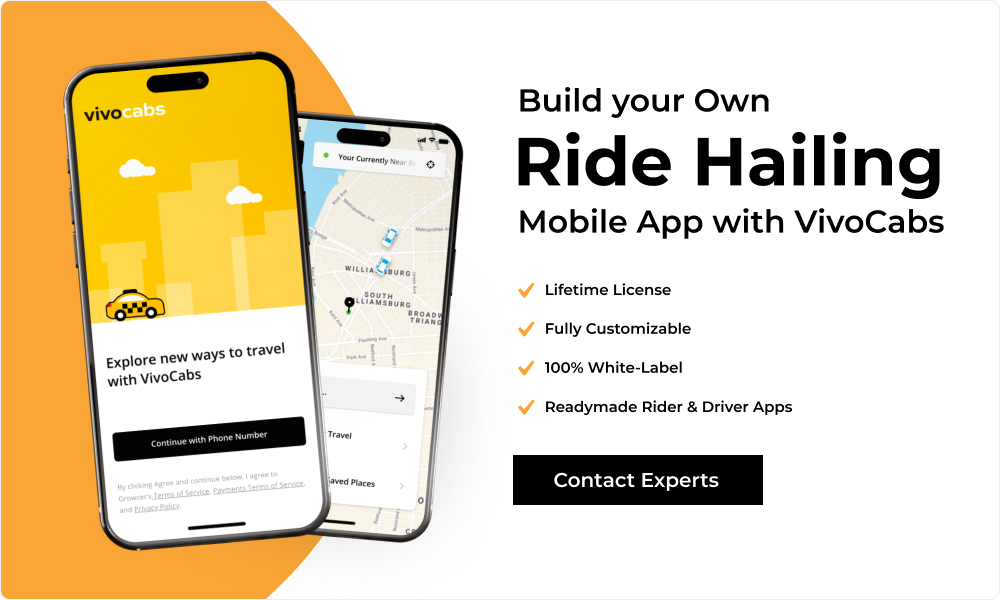
This is where VivoCabs can help. VivoCabs is a white-label taxi booking software designed for entrepreneurs, startups, fleet operators, and transportation businesses looking to launch and scale ride-hailing platforms efficiently. Instead of building an entire system from the ground up, businesses can use VivoCabs as a scalable technology foundation and customize the platform according to their specific business requirements.
While every transportation business may have unique operational needs, VivoCabs offers a flexible and customizable architecture that can support the development of platforms inspired by premium ride-hailing services like Addison Lee.
1. Core Capabilities of VivoCabs
VivoCabs includes a wide range of built-in ride-hailing functionalities commonly required in modern taxi booking platforms. These features help businesses accelerate launch timelines while reducing development complexity.
The platform includes:
- Passenger and driver mobile applications
- Admin management dashboard
- Real-time ride tracking and GPS integration
- Ride booking and scheduling features
- Fare calculation and pricing management
- Multiple payment gateway integrations
- Multi-language and multi-currency support
- Driver onboarding and management modules
- Ratings and review systems
- Notifications and trip management features
These built-in capabilities provide businesses with a strong operational foundation for launching a professional taxi booking platform.
2. Support for Different Transportation Business Models
One of the key advantages of VivoCabs is its adaptability for different ride-hailing and transportation business models. Businesses can customize workflows, branding, pricing structures, and service offerings based on their target market and operational strategy.
Depending on business goals, VivoCabs can support:
- Premium ride-hailing platforms
- Executive transportation services
- Corporate travel solutions
- Airport transfer booking platforms
- Chauffeur-driven transportation businesses
- Local taxi booking services
- Multi-city cab booking marketplaces
This flexibility allows entrepreneurs to create transportation platforms that align more closely with premium mobility experiences similar to Addison Lee.
3. Faster Launch Compared to Custom Development
Developing a taxi booking app entirely from scratch can take several months or even years depending on feature complexity and project scope. VivoCabs helps businesses significantly reduce development timelines by offering a pre-built infrastructure with essential ride-hailing functionalities already integrated.
This allows entrepreneurs to focus more on:
- Driver acquisition
- Customer onboarding
- Marketing and promotions
- Business partnerships
- Operational expansion
Instead of spending extensive time and resources managing core software development from the beginning.
4. Customization and Scalability
Although VivoCabs is a ready-made software solution, the platform can still be customized based on business-specific requirements and operational workflows. As transportation businesses grow, additional functionalities, integrations, and service modules may be introduced depending on evolving market needs.
Businesses can customize areas such as:
- Branding and UI elements
- Pricing and fare structures
- Service categories and ride types
- Operational workflows
- Third-party integrations
This provides businesses with greater flexibility while still benefiting from a faster launch process compared to fully custom-built platforms.
5. Ongoing Technical Support
Maintaining a ride-hailing platform requires continuous updates, monitoring, bug fixes, and technical management. VivoCabs helps reduce this operational burden by offering ongoing technical support and platform assistance, allowing businesses to focus more on growth and service quality.
This can be especially beneficial for startups and taxi businesses that may not have large in-house technical teams.
6. A Practical Solution for Startups and Taxi Businesses
For entrepreneurs planning to enter the UK ride-hailing market, VivoCabs offers a practical balance between scalability, customization, and faster deployment. Instead of investing heavily in lengthy custom development from day one, businesses can launch more efficiently, validate their market, and gradually expand their platform as operational requirements evolve.
Build and launch your UK ride-hailing app faster with VivoCabs
Conclusion
Building an app like Addison Lee in the UK can be a highly profitable business opportunity when approached strategically.
The growing demand for convenient, safe, and digitally managed transportation services continues to create opportunities for entrepreneurs, taxi operators, and mobility startups.
However, success requires more than just launching an app.
You need:
- A clear business model
- Strong technology infrastructure
- Reliable drivers
- Excellent user experience
- Regulatory compliance
- Effective marketing strategies
While custom development offers flexibility, many businesses today prefer scalable white-label solutions to accelerate market entry.
Solutions like VivoCabs simplify the process of launching a professional taxi booking platform by providing essential ride-hailing features, scalability, and customization capabilities.
Whether you plan to launch a local taxi booking app, executive transportation service, chauffeur platform, or airport transfer business, choosing the right technology foundation can significantly impact your long-term success.
If executed correctly, your taxi booking platform can establish a strong position in the evolving UK mobility market.
Build your own branded taxi booking platform with VivoCabs
Contact UsPopular Posts