
Back To Home

How to Build an App Like Wheely: Complete Development Guide for Entrepreneurs
551
Views
The ride-hailing industry has revolutionized urban mobility over the past decade, offering consumers faster, more convenient, and technology-driven transportation options. According to industry reports, the global ride-hailing market is projected to exceed $229.98 billion by 2030, growing at a CAGR of 5.08% from 2026 to 2030. This growth is driven by increasing smartphone penetration, urbanization, and growing demand for on-demand transportation services. Alongside traditional ride-hailing platforms, the luxury transportation segment is also experiencing significant growth as affluent customers increasingly seek premium travel experiences that prioritize comfort, reliability, and exclusivity.
Among the notable players in this niche, Wheely has established itself as a leading chauffeur-driven ride service by offering executive transportation, professionally trained drivers, and a fleet of luxury vehicles. It differentiates itself through personalized customer service, premium ride experiences, and high-quality standards tailored to business travelers, corporate clients, and high-net-worth individuals.
As demand for luxury mobility solutions continues to rise, many entrepreneurs, fleet operators, and transportation businesses are exploring opportunities to build an app like Wheely. However, creating a competitive platform requires more than technology alone. From selecting the right business model and revenue streams to implementing premium service features and fleet management tools, every component plays a critical role in long-term success.
Table of Contents
What is Wheely?
Before exploring the features and development requirements of a luxury ride-hailing platform, it is important to understand the business model behind Wheely’s success. Unlike conventional ride-hailing services that primarily compete on affordability, ride availability, and discounts, Wheely focuses on delivering a high-end, chauffeur-driven travel experience centered around comfort, professionalism, reliability, and personalization.
The platform caters to a niche but highly valuable customer segment that prioritizes comfort, reliability, professionalism, privacy, and personalized service over low-cost transportation. By combining luxury vehicles, professionally trained chauffeurs, and technology-driven convenience, Wheely has created a premium mobility solution tailored to executives, corporate travelers, business professionals, and high-net-worth individuals.
At its core, Wheely acts as a technology-enabled marketplace that connects passengers with professional chauffeurs and luxury vehicle operators. The platform simplifies ride booking, chauffeur management, payment processing, and customer communication while maintaining the high service standards expected from a luxury transportation brand.
Key Components of the Wheely Business Model
A platform like Wheely is built around several premium transportation services and operational capabilities that collectively deliver a superior customer experience.
- Professional Chauffeurs
One of Wheely’s strongest differentiators is its focus on professionally trained chauffeurs. Unlike standard ride-hailing drivers, chauffeurs are expected to meet strict service standards, maintain professionalism, provide personalized assistance, and deliver a premium customer experience throughout the journey.
- Luxury Vehicle Fleets
The platform partners with luxury vehicle owners and fleet operators to offer premium transportation options. Customers can choose from executive sedans, luxury SUVs, and high-end vehicles that align with their travel requirements and preferences.
- Scheduled Ride Bookings
Unlike traditional taxi services that primarily focus on immediate bookings, luxury transportation customers often require advanced scheduling. A platform like Wheely allows passengers to reserve rides in advance, ensuring availability for important meetings, events, and travel plans.
- Airport Transfers
Airport transportation represents one of the most popular use cases for luxury chauffeur services. Customers value punctuality, flight tracking, meet-and-greet services, and a seamless travel experience, making airport transfers a significant revenue-generating segment for premium ride-hailing businesses.
- Corporate Transportation
Many organizations rely on executive transportation services for employees, business partners, and corporate guests. A Wheely-like platform can support corporate accounts, centralized billing, ride management, and business travel requirements, creating valuable B2B revenue opportunities.
- Premium Customer Service
Exceptional customer support is a defining characteristic of luxury mobility platforms. From booking assistance and ride modifications to real-time support and issue resolution, premium customer service helps build trust and foster long-term customer loyalty.
- Seamless Mobile Booking Experience
Convenience remains a key expectation among modern consumers. A user-friendly mobile application enables customers to schedule rides, select vehicle categories, communicate with chauffeurs, track journeys in real time, and complete secure payments with minimal effort.
Turn the Luxury Transportation Opportunity Into Your Business
Why the Wheely Model is Gaining Popularity?
The growing success of Wheely highlights an important shift within the mobility industry. While traditional ride-hailing platforms continue to dominate the mass market, a growing segment of customers is seeking transportation services that prioritize comfort, reliability, exclusivity, and personalized experiences over affordability alone.
Today’s travelers, particularly business executives, corporate clients, and high-net-worth individuals, increasingly value premium mobility solutions that offer professional service, luxury vehicles, and a seamless travel experience. As a result, chauffeur-driven transportation platforms are gaining traction across major urban centers worldwide.
Several factors are contributing to this trend:
- Growing demand for luxury and personalized travel experiences
- Increasing business travel and executive transportation requirements
- Rising adoption of chauffeur services among corporate clients
- Demand for reliable airport and long-distance transportation
- Preference for professional drivers and premium vehicles
- Growing willingness among affluent consumers to pay for convenience and quality
Additionally, the rise of experience-driven consumer behavior has encouraged customers to view transportation as more than just a means of getting from one location to another. Many premium travelers now expect personalized services, superior comfort, and a level of professionalism that standard ride-hailing platforms often struggle to provide.
The growing popularity of platforms like Wheely demonstrates that luxury ride-hailing is no longer a niche offering. Instead, it has evolved into a rapidly expanding market segment with strong revenue potential and a loyal customer base. For entrepreneurs and transportation businesses, building an app like Wheely presents an opportunity to tap into this high-value market, differentiate from traditional ride-hailing competitors, and establish a strong presence in the premium mobility sector.
Business Models for a Wheely-Like App
Before developing a luxury ride-hailing app like Wheely, it is essential to define the business model that will drive the platform’s operations and revenue generation. The business model determines how rides are fulfilled, how drivers or chauffeurs are managed, and how revenue is generated. Choosing the right approach early on can help optimize costs, improve operational efficiency, and create a strong foundation for sustainable growth.
Depending on available resources, market demand, and long-term objectives, businesses can choose from several operating models. Each model offers distinct advantages and comes with its own operational considerations.
1. Chauffeur Marketplace Model
The chauffeur marketplace model functions similarly to a traditional ride-hailing platform, where the business acts as an intermediary between customers and independent chauffeurs or luxury vehicle owners. Instead of managing vehicles directly, the platform facilitates bookings, payments, and communication while service providers fulfill ride requests.
This model is often preferred by startups and entrepreneurs because it requires lower upfront investment and enables faster market expansion.
Common revenue streams include:
- Commission on every completed ride
- Platform booking fees
- Peak-hour or surge pricing charges
- Featured chauffeur listings
- Membership and subscription plans
By continuously onboarding chauffeurs and fleet operators, businesses can expand their service network without investing heavily in vehicles or infrastructure.
2. Fleet-Owned Model
In the fleet-owned model, the company owns, operates, and manages its own fleet of luxury vehicles while employing or contracting professional chauffeurs directly. This approach provides greater control over every aspect of the customer experience, from vehicle quality and chauffeur training to service standards and operational procedures.
A fleet-owned model offers several advantages:
- Greater control over service quality
- Consistent customer experience across all rides
- Better brand positioning in the luxury transportation segment
- Enhanced chauffeur training and performance management
- Potential for higher profit margins over the long term
While this model requires substantial investment in vehicles, insurance, maintenance, staffing, and fleet management, it can help establish a premium reputation and foster stronger customer loyalty.
3. Hybrid Model
Many successful luxury transportation businesses adopt a hybrid approach that combines the benefits of both marketplace and fleet-owned operations. Under this model, the company operates its own fleet while also partnering with independent chauffeurs and luxury fleet providers to expand service coverage.
The hybrid model offers a balanced approach by providing:
- Greater operational flexibility
- Improved service availability during peak demand
- Faster geographic expansion
- Reduced risk of vehicle shortages
- Better scalability without excessive capital investment
This approach allows businesses to preserve quality control for key services while leveraging external partners to support growth and meet increasing demand.
Which Model Should You Choose?
The ideal business model depends on several factors, including your available capital, operational expertise, target audience, and long-term growth objectives.
- Marketplace Model: Best for startups seeking faster market entry and lower upfront investment.
- Fleet-Owned Model: Ideal for businesses prioritizing complete control over service quality and brand experience.
- Hybrid Model: Suitable for entrepreneurs looking to balance scalability, operational flexibility, and premium service delivery.
Selecting the right operating model at the planning stage can significantly influence the success, profitability, and scalability of a Wheely-like ride-hailing business. Carefully evaluating each option will help you build a luxury ride-hailing business that aligns with your vision and market opportunity.
Launch a Premium Transportation Platform That Fits Your Goals
Key Steps to Build an App Like Wheely
Building a luxury ride-hailing platform like Wheely requires more than a visually appealing mobile application. Success depends on understanding market demand, identifying the right business opportunities, and developing a feature-rich ecosystem that delivers exceptional experiences for passengers, chauffeurs, and fleet operators.
By following a structured development process, entrepreneurs can create a scalable platform that meets the expectations of premium travelers while building a sustainable transportation business.
Step 1: Conduct Market Research
The foundation of any successful ride-hailing business begins with comprehensive market research. Before investing in development, it is essential to understand the competitive landscape, identify customer expectations, and evaluate market opportunities. A clear understanding of your target audience and local market dynamics will help you build a platform that effectively addresses customer needs while differentiating itself from competitors.
Moreover, the insights gathered during this stage can significantly influence the success of your luxury ride-hailing platform.
Analyze:
- Competitors
- Customer preferences
- Regional demand
- Pricing strategies
A thorough understanding of your target market lays the foundation for building a differentiated luxury transportation platform.
Step 2: Essential Features Required to Build an App Like Wheely
A luxury ride-hailing platform is much more than a passenger booking application. To deliver a seamless premium transportation experience, businesses need a complete ecosystem consisting of customer-facing applications, chauffeur management tools, fleet management capabilities, and administrative controls. Each component plays a crucial role in ensuring operational efficiency, service quality, and customer satisfaction.
The following features form the foundation of a successful Wheely-like platform.
1. Customer App Features
The customer application serves as the primary interface through which users discover, book, and manage rides. Since luxury transportation customers expect convenience and personalization, the app should provide a seamless and intuitive booking experience.
- User Registration
The registration process should be simple and frictionless, allowing customers to create accounts quickly. Support for email registration, phone number verification, and social login options such as Google or Apple helps improve onboarding and reduce sign-up abandonment rates.
- Ride Booking
Ride booking is the core functionality of the platform. Customers should be able to enter pickup and drop-off locations, choose their preferred vehicle category, review fare estimates, and confirm bookings within a few taps. A streamlined booking process significantly enhances user satisfaction.
- Real-Time Vehicle Tracking
GPS-powered vehicle tracking allows customers to monitor the location of their assigned chauffeur and vehicle in real time. This feature improves transparency, reduces uncertainty, and provides customers with accurate arrival estimates.
- Fare Estimation
Providing fare estimates before ride confirmation helps customers make informed decisions and builds trust in the platform. Transparent pricing is especially important in luxury transportation services where fares are typically higher than standard ride-hailing options.
- Scheduled Rides
Advance ride scheduling is a critical feature for business travelers, airport transfers, and corporate transportation. Customers should be able to book rides hours, days, or even weeks in advance while receiving automated reminders before their scheduled journey.
- Multiple Payment Options
Modern users expect flexibility when making payments. The platform should support multiple payment methods, including credit cards, debit cards, digital wallets, and corporate billing accounts, ensuring convenience for both individual and business customers.
- Ride History
Ride history allows customers to access records of previous trips, invoices, payment receipts, and booking details. This feature is particularly valuable for frequent travelers and corporate users who need documentation for expense management.
- Ratings and Reviews
Customer feedback helps maintain service quality across the platform. After completing a ride, users should be able to rate their experience and provide reviews, enabling administrators to monitor service standards and identify areas for improvement.
2. Chauffeur App Features
The chauffeur application is a critical component of a luxury ride-hailing platform. It enables professional drivers to manage bookings, navigate routes, communicate with customers, and monitor their performance efficiently.
- Driver Registration
Drivers should be able to register through the app and submit essential information, including identity documents, driving licenses, insurance details, and vehicle information. Automated verification workflows can accelerate approvals while ensuring compliance with platform requirements.
- Ride Request Management
The chauffeur app should enable drivers to receive and respond to ride requests in real time. Detailed booking information, including pickup location, destination, estimated fare, and customer details, helps chauffeurs make informed decisions and improve service responsiveness.
- Navigation Integration
Built-in integration with GPS and mapping services allows chauffeurs to access real-time traffic updates, identify optimal routes, and minimize travel delays, resulting in a smoother experience for both drivers and passengers.
- Earnings Dashboard
Drivers should be able to monitor completed trips, total earnings, incentives, bonuses, commissions, and payout status. Access to real-time earnings data promotes transparency and helps chauffeurs track their progress effectively.
- Availability Management
Flexible availability controls allow chauffeurs to manage their work schedules according to their preferences. Drivers should be able to update their online status, define working hours, specify service zones, and indicate availability for future bookings.
- Trip History
A comprehensive trip history section enables chauffeurs to access records of all completed rides. Details such as trip routes, customer ratings, ride duration, earnings, and payment information help drivers review past performance, resolve disputes, and maintain accurate records of their activities on the platform.
3. Admin Dashboard Features
The admin dashboard serves as the operational backbone of a luxury ride-hailing platform. It provides administrators with complete visibility and control over users, rides, finances, fleet operations, and overall platform performance.
- User Management
Managing multiple stakeholder groups is essential for smooth platform operations. The admin panel should allow administrators to manage customers, chauffeurs, fleet owners, and corporate accounts from a centralized interface. Features such as user verification, account activation, suspension, role management, and activity monitoring help ensure platform security and operational efficiency.
- Ride Monitoring
Real-time ride monitoring enables administrators to track active, scheduled, and completed trips across the platform. This feature provides visibility into ride statuses, chauffeur locations, trip routes, and customer activity, allowing businesses to respond quickly to operational issues and deliver a reliable customer experience.
- Commission Management
Commission management tools allow platform owners to configure and manage their revenue model efficiently. Administrators should be able to define platform commissions, booking fees, cancellation charges, and other service-related fees. Flexible commission settings support various business models while ensuring transparent revenue distribution.
- Fleet Management
A centralized fleet management system helps administrators monitor vehicle availability, utilization rates, maintenance status, and chauffeur performance. Having complete visibility into fleet operations enables businesses to maintain service standards, optimize resource allocation, and improve overall operational efficiency.
- Reporting and Analytics
Administrators should be able to generate detailed reports related to revenue, bookings, ride demand, chauffeur productivity, customer retention, and operational trends. These insights support data-driven decision-making and help identify opportunities for growth and optimization.
- Content Management
A built-in content management system allows administrators to update and manage website content without technical expertise. Through the admin panel, businesses can publish announcements, update policies, manage FAQs, create promotional campaigns, and send notifications to users, ensuring that customers remain informed and engaged.
- Fleet Management Module
For businesses operating luxury vehicle fleets, a dedicated fleet management module is essential for maximizing efficiency and maintaining premium service standards. This module helps automate fleet operations while providing greater control over vehicles and chauffeur allocation.
- Vehicle Assignment
The system should intelligently assign vehicles based on factors such as chauffeur availability, vehicle category, customer preferences, and ride location. Automated vehicle assignment helps reduce response times and improve resource utilization.
- Fleet Tracking
Real-time fleet tracking enables operators to monitor vehicle locations, trip progress, and overall fleet activity from a centralized dashboard. This visibility improves operational control and helps ensure timely service delivery.
- Maintenance Scheduling
Regular vehicle maintenance is critical in the luxury transportation industry. Automated maintenance scheduling helps businesses track service intervals, schedule inspections, and prevent unexpected vehicle downtime, ensuring that every vehicle remains in optimal condition.
- Driver Allocation
Efficient chauffeur allocation ensures that the most suitable driver is assigned to each ride request. The system can allocate chauffeurs based on availability, location, service zones, customer preferences, and performance metrics, improving service quality and operational efficiency.
- Utilization Reports
Fleet utilization reports provide insights into vehicle performance, usage patterns, operational costs, and resource efficiency. These analytics help businesses identify underutilized assets, optimize fleet operations, and make informed decisions regarding fleet expansion or resource allocation.
4. Advanced Features for a Luxury Ride-Hailing Platform
While core ride-booking and fleet management functionalities form the foundation of a ride-hailing platform, advanced features are what truly differentiate a luxury transportation service from conventional taxi-hailing apps.
- Corporate Accounts
A dedicated corporate account feature allows organizations to manage employee and executive travel through a centralized system. Businesses can book rides for staff, access consolidated billing, monitor transportation expenses, and generate usage reports, making it easier to manage corporate mobility requirements while improving operational efficiency.
- Airport Transfer Management
Airport transfers represent a significant use case for premium transportation services. A robust airport transfer management system should support features such as real-time flight tracking, scheduled pickups, chauffeur waiting services, and meet-and-greet assistance.
- Chauffeur Preferences
Luxury customers often value familiarity and personalized service. Allowing users to save preferred chauffeurs enables them to request drivers they trust and have previously had positive experiences with. This feature strengthens customer relationships, enhances satisfaction, and contributes to long-term customer retention.
- Luxury Vehicle Categories
A premium ride-hailing platform should offer a diverse range of luxury vehicle options to accommodate different customer preferences and travel requirements. Users should be able to choose from categories such as executive sedans, luxury SUVs, premium vans, and limousine services. Offering multiple vehicle classes enhances flexibility while catering to both individual and corporate transportation needs.
- Loyalty Programs
Customer retention is just as important as customer acquisition in the luxury transportation industry. Loyalty programs reward repeat customers for their continued engagement with the platform through membership tiers, ride credits, exclusive discounts, priority bookings, complimentary upgrades, and other premium benefits.
- Multi-Language Support
Luxury ride-hailing services often cater to international travelers, tourists, expatriates, and multinational corporations. Multi-language support helps make the platform accessible to users from different regions by allowing them to interact with the application in their preferred language. This feature improves user experience, expands global reach, and supports business growth in international markets.
- Personalized Ride Experience
Personalization is a key differentiator for premium mobility platforms. Businesses can allow customers to store ride preferences such as preferred vehicle temperature, music settings, chauffeur instructions, or route preferences. Delivering tailored experiences helps create a more memorable and premium transportation service.
- Priority Booking and VIP Services
High-value customers often expect preferential treatment and enhanced service levels. VIP features such as priority chauffeur allocation, dedicated customer support, faster booking confirmations, and exclusive vehicle access can help businesses attract executive travelers and premium clientele while creating additional revenue opportunities.
- Real-Time Notifications and Concierge Support
Keeping customers informed throughout their journey is essential for a luxury transportation experience. Real-time notifications related to booking confirmations, chauffeur arrival times, trip status updates, and payment receipts improve transparency and convenience.
Launch a Premium Mobility Marketplace With Advanced Features
Step 3: Revenue Channels for an App Like Wheely
Building an app like Wheely is not just about facilitating ride bookings. To create a sustainable and profitable business, entrepreneurs should implement multiple revenue streams that generate both transactional and recurring income. While ride commissions often serve as the primary source of revenue, diversifying monetization strategies can improve profitability and support long-term growth.
1. Commission on Rides
Commission-based revenue is the most widely adopted monetization model in the ride-hailing industry. Under this model, the platform charges chauffeurs, fleet operators, or transportation partners a percentage of every completed ride booked through the platform.
2. Service and Booking Fees
In addition to ride commissions, businesses can generate revenue by charging customers a fixed booking fee, platform fee, or convenience fee for every ride. These charges are typically added to the total fare and contribute directly to platform earnings.
3. Corporate Transportation Plans
Corporate transportation represents one of the most lucrative opportunities for luxury ride-hailing platforms. Businesses can offer dedicated mobility solutions to organizations through monthly subscriptions, annual contracts, or customized transportation packages.
These services may include:
- Executive transportation
- Employee commute management
- Airport transfer services
- Client and guest transportation
- Event transportation solutions
4. Premium Membership Programs
Subscription-based membership programs can help generate recurring revenue while enhancing customer loyalty. Premium members may receive exclusive benefits such as priority bookings, discounted fares, dedicated chauffeur access, complimentary vehicle upgrades, or personalized transportation services.
5. Featured Fleet Listings
Fleet operators and chauffeur companies are often willing to pay for greater visibility on the platform. Featured listing options allow service providers to promote their vehicles or chauffeur services in premium positions within search results, category pages, or homepage sections.
Step 4: Development Approaches To Build An App Like Wheely
After defining your business model, feature set, and revenue strategy, the next step is choosing the right development approach. This decision plays a crucial role in determining your project’s cost, development timeline, scalability, and overall speed to market. Most entrepreneurs typically choose between custom development and ready-made software, depending on their business goals, budget, and technical requirements.
1. Custom Development
Custom development involves building the entire ride-hailing platform from scratch according to specific business requirements. This approach offers greater flexibility and allows businesses to create unique features and workflows.
Pros:
- Complete customization and flexibility
- Ability to build unique features from the ground up
Cons:
- High development and maintenance costs
- Longer development timelines, often taking several months
- Extensive testing and quality assurance requirements
- Greater technical and project management risks
- Delayed market entry and slower ROI
2. Readymade Software
Readymade software provides a pre-built foundation with essential ride-hailing features already developed and tested. Businesses can customize the solution according to their branding and operational requirements while significantly reducing development effort and launch timelines.
Pros:
- Faster deployment and quicker market entry
- Lower upfront investment compared to custom development
- Pre-tested features and proven functionality
- Reduced technical risks
- Easier maintenance and upgrades
- Faster return on investment
Cons:
- Feature enhancements may depend on software capabilities
A Faster Alternative: Launch with VivoCabs
Building a luxury ride-hailing platform like Wheely from scratch requires substantial investment in software development, infrastructure, testing, and ongoing maintenance. Businesses must develop customer and chauffeur applications, fleet management systems, payment integrations, dispatch modules, and administrative controls before they can even launch their platform. This often results in longer development cycles, higher costs, and increased technical complexity.
To accelerate market entry and reduce development efforts, many entrepreneurs and transportation businesses prefer leveraging a feature-rich software foundation that can be customized to match their business requirements.
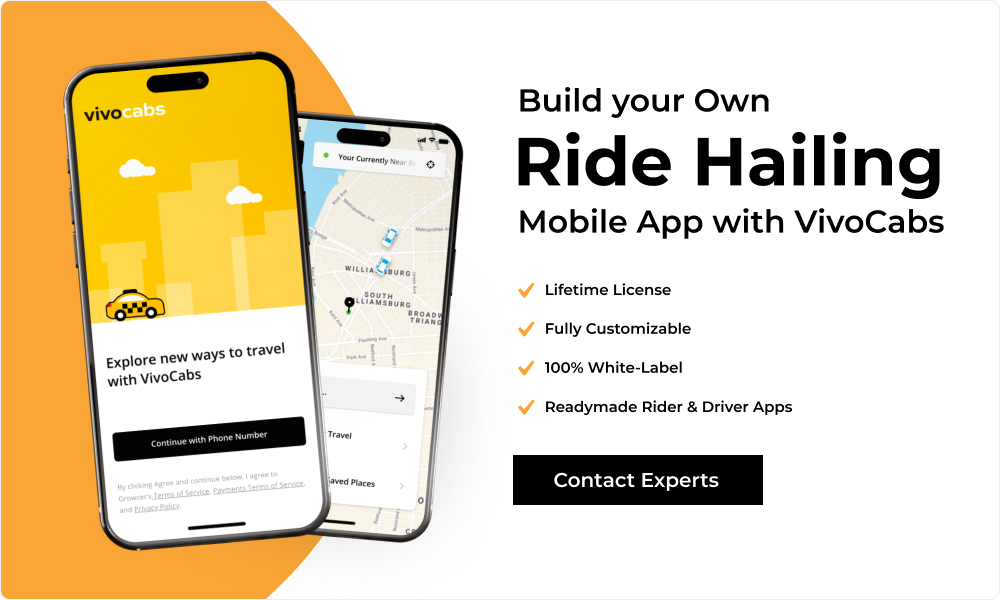
VivoCabs is a white-label taxi booking software designed to help businesses launch and scale ride-hailing, chauffeur service, and transportation marketplaces. Rather than starting from scratch, businesses can use VivoCabs as a robust foundation and customize it to support luxury transportation workflows, premium vehicle categories, chauffeur-driven services, corporate transportation, and other specialized requirements associated with a Wheely-like platform.
- Feature-Rich Foundation
VivoCabs comes equipped with a comprehensive set of ride-hailing features that eliminate the need to build core functionalities from the ground up. This allows businesses to focus on customization, branding, and customer acquisition while significantly reducing development time.
- Ready-Made Customer and Driver Apps
Developing separate applications for customers and chauffeurs can significantly increase project costs and timelines. VivoCabs includes dedicated mobile apps for both stakeholders, equipped with essential booking, ride management, and communication features that can be customized to align with your business model.
- Advanced Admin Dashboard
The software includes a centralized admin dashboard that enables businesses to manage day-to-day operations efficiently. Administrators can manage users, chauffeurs, vehicles, bookings, commissions, earnings, and platform performance through a single dashboard, ensuring greater operational visibility and control.
- Real-Time Ride Tracking
GPS-powered ride tracking enables customers, chauffeurs, and administrators to monitor ride progress in real time. This feature enhances transparency, improves customer confidence, and helps businesses deliver a reliable transportation experience.
- Fleet Management Capabilities
For businesses operating luxury fleets or hybrid transportation models, VivoCabs provides fleet management tools to monitor vehicle availability, chauffeur performance, ride assignments, and operational workflows. These capabilities help streamline operations while maintaining service quality.
- Multiple Revenue Models
A successful ride-hailing platform should support multiple monetization strategies. VivoCabs provides flexibility to implement various revenue streams, including:
- Commission-based earnings
- Booking and convenience fees
- Membership and subscription plans
- Additional service charges
- Corporate transportation packages
This flexibility allows businesses to create a revenue model that aligns with their target market and growth objectives.
- White-Label Customization
As a white-label solution, VivoCabs allows businesses to launch under their own brand identity. Entrepreneurs can customize the platform’s design, workflows, service offerings, pricing structures, and user experience to create a differentiated luxury transportation marketplace.
- Scalable Architecture
As ride volumes, fleet size, and customer demand increase, the platform must be capable of supporting business growth. VivoCabs is built on a scalable architecture that can accommodate increasing transactions, users, vehicles, and operational complexity without compromising performance.
A Faster Route to Launching a Luxury Ride-Hailing Platform
While VivoCabs is not a ready-made clone of Wheely, it provides a powerful and feature-rich foundation that can be customized to support the requirements of a premium chauffeur-driven transportation business. By leveraging an established software framework instead of building everything from scratch, businesses can significantly reduce development time, lower costs, and focus on creating a unique luxury mobility experience for their customers.
For entrepreneurs looking to enter the premium transportation market, VivoCabs offers a practical and scalable starting point for building a platform with functionality similar to Wheely while retaining the flexibility to tailor the solution to specific business needs.
Experience VivoCabs in Action
Step 5: Launch and Market Your Platform
Once your luxury ride-hailing platform is ready, the next step is executing a strategic launch and marketing plan. A successful launch involves more than making the platform available to users. It requires attracting passengers, onboarding chauffeurs, building brand awareness, and establishing trust in the market. By combining targeted marketing efforts with strong operational planning, businesses can accelerate user acquisition and position themselves for long-term growth.
Key Launch and Marketing Activities
- Onboard qualified chauffeurs and fleet operators before launch
- Target business travelers, corporate clients, and premium customers
- Invest in SEO, content marketing, and paid advertising campaigns
- Build an active presence across social media platforms
- Partner with luxury hotels, travel agencies, and corporate organizations
- Launch referral and loyalty programs to drive customer acquisition
- Collect reviews and testimonials to strengthen credibility
- Monitor key metrics such as bookings, customer retention, and revenue growth
A well-executed launch strategy can help establish a strong market presence, attract high-value customers, and support sustainable business growth.
Conclusion
The growing demand for luxury mobility services has created significant opportunities for entrepreneurs and transportation businesses looking to build an app like Wheely. However, success in this market depends on more than simply enabling ride bookings. A premium ride-hailing platform must deliver a complete ecosystem that seamlessly connects customers, chauffeurs, fleet operators, and administrators while maintaining the high standards of convenience, reliability, personalization, and service quality expected by luxury travelers.
From advanced booking capabilities and real-time ride management to fleet operations, chauffeur coordination, corporate transportation, and revenue-generating features, every component plays a vital role in creating a competitive and scalable business. Careful planning, the right feature set, and a sustainable business model are essential for building a platform that can attract and retain high-value customers.
Launch Your Own Luxury Ride-Hailing Marketplace
Get StartedPopular Posts