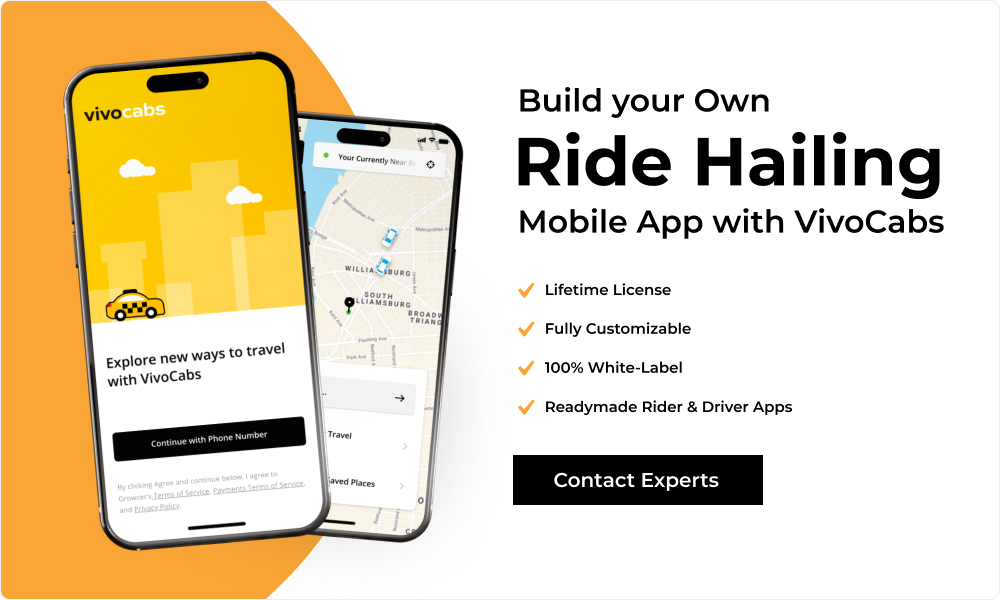
The way people book transportation has changed dramatically. Today, customers expect a ride to arrive within minutes, real-time tracking at their fingertips, transparent pricing, and a seamless booking experience through their smartphones. From daily office commutes and airport transfers to late-night travel and city navigation, taxi apps have completely transformed how people move. As demand for on-demand mobility continues to rise, launching a taxi app presents a promising business opportunity for entrepreneurs.
However, building a successful taxi app requires much more than simply creating a mobile application. The market is highly competitive, customer expectations are constantly evolving, and operational challenges can quickly become overwhelming without proper planning.
Before launching a taxi app, businesses must carefully evaluate multiple factors such as market demand, technology, user experience, legal regulations, safety measures, pricing strategies, driver acquisition, and long-term scalability. This detailed guide explains all the key sections and considerations you should understand before launching a taxi app business.
Table of Contents
- Understanding the Taxi App Market
- Conducting Proper Market Research Helps Businesses Understand
- Choosing the Right Business Model
- Defining Your Target Audience
- Essential Features Your Taxi App Must Have
- Choose the Right Development Approach
- How VivoCabs Can Help?
- Marketing Strategy Before Launch
- Final Thoughts
Understanding the Taxi App Market
Before investing in taxi app development, it is essential to thoroughly understand the market you plan to enter. The ride-hailing industry has grown significantly over the past decade, driven by increasing smartphone adoption, urbanization, and changing consumer preferences for on-demand transportation. According to industry reports, the global ride-hailing market is expected to surpass $230 billion by 2030, reflecting strong demand for convenient, app-based mobility solutions. However, with global players and regional startups competing aggressively, launching a generic taxi app is no longer enough to succeed.
A strong market understanding helps businesses identify customer demand, transportation gaps, operational challenges, and untapped opportunities before entering the industry. Instead of building another standard taxi booking platform, entrepreneurs should focus on solving real commuter problems, whether related to affordability, ride availability, safety, or convenience. A detailed market analysis also supports better decision-making around pricing, service categories, target cities, customer acquisition, and long-term expansion strategies.
Modern users expect much more than basic ride-booking functionality. Today’s customers compare taxi apps based on affordability, waiting time, driver professionalism, safety features, transparent pricing, payment flexibility, and customer support quality. In fact, studies show that nearly 70% of users prioritize convenience and shorter wait times when choosing ride-hailing services. Businesses that fail to meet these expectations often struggle with poor retention rates and lower customer satisfaction.
Conduct Market Research
Before launching a taxi app, conducting thorough market research is essential to reduce risks and make informed business decisions. A clear understanding of customer expectations, city demand, market gaps, competitors, and revenue opportunities helps businesses build services that solve real transportation problems instead of entering an already crowded market with a generic offering. Effective research also improves pricing decisions, service planning, customer acquisition, and long-term scalability.
1. What Users Expect From Taxi Apps
Modern customers expect taxi apps to provide a fast, smooth, and transparent booking experience. Users want features like:
- Real-time GPS tracking
- Accurate fare estimates
- Multiple payment methods
- Ride scheduling
- Quick driver allocation
- Safety-focused features
- SOS buttons
- Driver verification
- Ride-sharing details
- Emergency support
However, customer expectations may vary depending on the target market. For example, corporate users may prioritize scheduled rides, while daily commuters may focus more on affordability and shorter wait times. Understanding these expectations helps businesses design services that match user behavior and improve customer satisfaction.
2. Which Cities Have High Demand
Not every city offers the same growth opportunities for ride-hailing businesses. Some regions already have highly saturated markets with strong competition, while others may still have transportation gaps and underserved audiences.
High-demand cities often share characteristics such as:
- Growing urban population
- Heavy traffic congestion
- Increasing smartphone penetration
- Rising digital payment adoption
- Limited public transportation efficiency
- Large student or working professional populations
Researching local transportation habits and commuter behavior helps businesses identify cities where ride-hailing demand is increasing rapidly.
Start Your Ride-Hailing Business in the Right City
3. Existing Gaps in the Market
One of the most important parts of market research is identifying problems that current taxi services are failing to solve. These gaps create opportunities for new businesses to differentiate themselves.
For example, customers in some locations may struggle with:
- Long driver arrival times
- Frequent ride cancellations
- Unpredictable surge pricing
- Limited ride availability during peak hours
- Poor customer service
- Lack of female driver options
- Unavailability of wheelchair-accessible rides
- Low-quality vehicle conditions
A business that directly addresses these issues can build a strong competitive advantage and improve customer trust.
4. Competitor Strengths and Weaknesses
Studying competitors helps businesses understand what is already working in the market and where improvements can be made. This includes analyzing:
- Pricing structures
- Driver incentives
- App features
- Customer ratings
- Marketing campaigns
- Loyalty programs
- Operational coverage
- Service quality
For example, one competitor may offer low pricing but poor support, while another may provide premium service with higher fares. Understanding these strengths and weaknesses helps entrepreneurs position their own platform more effectively.
5. Customer Pain Points
Customer pain points directly influence user retention and app reputation. If users consistently face frustrating experiences, they quickly switch to alternative platforms.
Common ride-hailing customer complaints include:
- Long waiting times during rush hours
- Drivers canceling rides frequently
- Excessive surge pricing
- Unsafe ride experiences
- Unprofessional driver behavior
- Poor app performance
- Inaccurate GPS tracking
- Delayed customer support responses
Analyzing user reviews on existing taxi apps can provide valuable insights into these recurring issues.
6. Revenue Opportunities
Market research also helps identify multiple revenue streams beyond standard ride commissions. Many successful taxi businesses generate additional income through:
- Subscription plans
- Corporate partnerships
- Delivery services
- Airport transportation
- Advertising within the app
- Driver onboarding fees
- Surge pricing during high demand
- Premium ride categories
Understanding revenue opportunities early helps businesses create more sustainable growth models.
Choosing the Right Business Model
Your business model plays a major role in determining how your taxi platform operates, scales, manages drivers, serves customers, and generates revenue. Choosing the wrong approach early on can lead to operational inefficiencies, higher costs, lower profitability, and limited growth potential.
Before entering the ride-hailing market, businesses should carefully assess how they plan to manage daily operations, driver onboarding, service quality, and customer expectations. The right business model should align with your available budget, long-term business vision, target audience, operational capabilities, and market conditions.
In the ride-hailing industry, businesses typically choose from three major taxi business models:
- Aggregator Model
- Ownership Model
- Hybrid Model
Each model comes with its own operational framework, investment needs, benefits, and challenges. Understanding these differences can help entrepreneur select the approach that best fits their business objectives and market strategy.
1. Aggregator Model
The aggregator model is one of the most widely used business models in the ride-hailing industry, used by many leading taxi platforms worldwide. In this approach, the company does not own vehicles directly. Instead, the platform acts as a bridge that connects passengers with independent drivers through a mobile app.
Drivers register on the platform using their own vehicles, while customers use the app to book rides based on their location and preferences. The platform manages key operations such as ride matching, fare collection, driver onboarding, customer support, ratings, and overall service coordination.
This model has gained widespread popularity because it allows businesses to scale quickly without the high capital investment associated with purchasing and maintaining a vehicle fleet.
How the Aggregator Model Generates Revenue?
Taxi aggregator platforms usually generate revenue through multiple streams, including:
- Ride commissions from drivers
- Booking or convenience fees
- Dynamic or surge pricing
- Driver subscription plans
- In-app advertising
- Promotional partnerships
- Cancellation fees
- Corporate ride packages
Having multiple revenue channels helps businesses improve long-term profitability, reduce dependency on a single income source, and create a more sustainable business model.
Advantages of the Aggregator Model
- Lower Initial Investment: Since businesses do not need to purchase or maintain vehicles, the upfront investment remains significantly lower. Entrepreneurs can allocate more resources toward technology, marketing, and customer acquisition.
- Easier Scalability: The aggregator model allows businesses to expand into new cities much faster because scaling mainly depends on onboarding more drivers rather than purchasing additional vehicles.
- Faster Market Expansion: Businesses can quickly launch operations in multiple regions by recruiting local drivers and running targeted marketing campaigns. This flexibility makes the model highly suitable for startups aiming for rapid growth.
- Reduced Operational Burden: Vehicle maintenance, fuel costs, insurance, and driver scheduling are mostly handled by the drivers themselves, reducing day-to-day operational complexity for the platform.
Challenges of the Aggregator Model
- Limited Driver Control: Since drivers operate independently rather than as employees, maintaining consistent service quality and professionalism becomes very difficult.
- Driver Retention Issues: Drivers often work across multiple ride-hailing platforms simultaneously. Better incentives or lower commissions from competitors may lead to higher driver churn.
- Service Quality Inconsistency: Customer experiences can become inconsistent because vehicle conditions, driver conduct, and ride quality differ between drivers.
- High Competition: Since the aggregator model is widely adopted, businesses often face intense competition from established ride-hailing brands and regional startups.
Despite these challenges, the aggregator model remains a strong choice for startups and entrepreneurs seeking faster market entry, lower investment requirements, and scalable growth opportunities.
2. Ownership Model
In the ownership model, the company owns and manages its vehicles directly while hiring drivers either full-time or through contractual agreements. Unlike the aggregator model, where independent drivers use their own vehicles, businesses in this model maintain complete control over fleet operations, service standards, branding, pricing, and customer experiences.
This model is commonly adopted by premium transportation companies, luxury cab services, airport transfer businesses, and corporate mobility providers that prioritize reliability, consistency, and high service standards.
Advantages of the Ownership Model
- Better Service Quality Control: Since the company manages both vehicles and drivers, maintaining consistent service standards becomes easier. Businesses can ensure vehicle cleanliness, driver training, and operational discipline.
- Stronger Brand Consistency: Owning the fleet allows businesses to create a more uniform and professional brand image. Vehicles, driver appearance, service protocols, and customer interactions can all follow the same standards.
- Improved Customer Experience: Customers often receive a more consistent and premium ride experience because drivers are trained according to company policies and operational procedures.
- Easier Driver Management: Businesses have direct control over driver scheduling, training, performance monitoring, and disciplinary actions, making operational management more structured.
Challenges of the Ownership Model
- High Operational Costs: Owning a fleet requires significant investment in:
- Vehicle purchases
- Insurance
- Fuel management
- Vehicle maintenance
- Driver salaries
- Fleet operations
These costs can create financial pressure, especially during the early stages of the business.
- Fleet Maintenance Complexity: Managing a large fleet involves regular servicing, repairs, inspections, and operational monitoring, which increases administrative workload.
- Slower Scalability: Expanding into new cities becomes more expensive and time-consuming because each expansion requires additional vehicle investments and operational infrastructure.
- Higher Financial Risks: Economic slowdowns, fuel price increases, or lower ride demand can directly impact profitability because the company still carries fixed operational expenses.
Despite the higher investment and operational responsibilities, the ownership model works exceptionally well for businesses focused on premium transportation, reliability, luxury experiences, and corporate clients.
Build a Taxi App Aligned With Your Growth Goals
3. Hybrid Model
The hybrid model combines the strengths of both the aggregator and ownership approaches, offering businesses a balance between scalability and operational control. In this model, the company operates a portion of its own fleet while also partnering with independent third-party drivers. This allows businesses to maintain greater control over service quality while expanding operations more quickly without relying entirely on owned vehicles.
The hybrid approach is increasingly popular among growing ride-hailing businesses because it offers greater flexibility and reduces dependency on a single operating model. Businesses can maintain service quality through company-owned vehicles while still expanding quickly using independent drivers.
Advantages of the Hybrid Model
- Faster Expansion: Businesses can scale more quickly by onboarding third-party drivers while still maintaining a controlled fleet for premium or high-priority services.
- Better Quality Management: Company-owned vehicles can help maintain service standards in important areas such as airport transfers, luxury rides, or corporate transportation.
- Reduced Operational Risks: The hybrid approach spreads operational risks across owned assets and external partnerships, creating a more balanced business structure.
- Greater Flexibility: Businesses can adjust their fleet size and driver partnerships depending on seasonal demand, city expansion plans, or market conditions.
Challenges of the Hybrid Model
- More Complex Operations: Managing both internal fleets and external drivers simultaneously requires stronger operational systems and administrative coordination.
- Higher Technology Requirements: The platform must efficiently manage:
- Fleet tracking
- Driver allocation
- Vehicle maintenance
- Third-party onboarding
- Performance monitoring
This increases software and operational complexity.
- Mixed Service Standards: Maintaining consistent customer experiences can become difficult when both company drivers and independent drivers operate under the same platform.
Defining Your Target Audience
One of the most common mistakes taxi startups make is trying to serve every type of customer from the beginning. While targeting a broad audience may seem like a strategy to maximize reach, it often leads to unclear branding, ineffective marketing, inconsistent service quality, and higher operational complexity. Successful taxi businesses usually begin by focusing on a clearly defined target audience and gradually expand their services over time.
Different customer groups have different transportation needs, booking behaviors, pricing expectations, and safety concerns. Understanding your audience allows you to design features, pricing strategies, and services that directly solve their problems. It also helps improve customer satisfaction, retention rates, and long-term business growth.
Before launching your taxi app, you should clearly identify:
- Who are your ideal customers?
- What transportation problems do they face?
- How frequently do they travel?
- What features do they value most?
- How price-sensitive are they?
- Which devices and payment methods do they prefer?
A well-defined audience helps businesses create more personalized experiences and build stronger market positioning.
1. Corporate Users
Corporate customers typically value reliability, professionalism, and convenience more than low pricing. Businesses and working professionals often require scheduled rides, punctual drivers, invoice generation, and monthly billing systems for seamless expense management.
Corporate users also expect high service standards, trained drivers, clean vehicles, and responsive customer support. Many organizations prefer taxi platforms that can efficiently handle employee transportation, airport pickups, and recurring business travel. Offering dedicated corporate ride solutions can generate stable recurring revenue and long-term partnerships.
2. Students
Students are among the most price-conscious customer groups in the ride-hailing market. They often look for affordable transportation, shared ride options, discounts, and flexible payment methods.
Taxi apps targeting students can introduce features such as:
- Carpooling or shared rides
- Wallet-based payments
- Referral rewards
- Student discounts
- Subscription ride packages
Since students are highly active online, businesses can also use referral programs and social media campaigns effectively to improve customer acquisition.
3. Women Travelers
Safety remains one of the top priorities for women using ride-hailing platforms. Women travelers often prefer apps that offer stronger security measures, verified drivers, emergency assistance, and ride transparency.
Features that improve trust and confidence include:
- SOS emergency buttons
- Live ride tracking
- Female driver preferences
- Driver background verification
- Ride-sharing with family members
Many successful ride-hailing startups have built niche transportation services focused specifically on women’s safety and secure travel experiences.
4. Airport Travelers
Airport travelers usually prioritize punctuality, predictable pricing, and convenience. These customers often schedule rides in advance and expect reliable pickups without delays or cancellations.
Airport travelers may also require:
- Large luggage support
- Premium vehicles
- Fixed pricing models
- Real-time flight tracking
- 24/7 ride availability
Providing reliable airport transportation services can help taxi businesses generate premium revenue opportunities and improve customer loyalty.
5. Daily Commuters
Daily commuters frequently depend on ride-hailing apps for office travel, metro station pickups, and everyday transportation. This audience generally values affordability, reduced wait times, route efficiency, and cost-saving ride options.
Taxi businesses targeting regular commuters often benefit from:
- Loyalty rewards
- Subscription plans
- Faster ride matching
- Shared transportation
- Peak-hour ride availability
Serving daily commuters successfully can create consistent ride demand and improve platform engagement.
6. Tourists and Travelers
Tourists often face challenges such as unfamiliar routes, language barriers, and uncertainty around local transportation. Taxi apps serving this audience should prioritize convenience, transparency, and accessibility.
Useful features for tourists may include:
- Multi-language support
- Tourist ride packages
- Local travel recommendations
- Transparent pricing
- Airport-to-hotel transportation
Tourists typically value safety, ease of booking, and seamless digital payments, making this segment highly valuable for ride-hailing businesses targeting travel-heavy regions.
Why Understanding Your Audience Matters?
Clearly defining your target audience helps businesses make smarter decisions across operations, marketing, pricing, and service delivery. When you understand who your customers are and what they value, it becomes easier to build experiences that improve satisfaction, retention, and long-term growth. A well-defined audience allows businesses to:
- Design Better Features
Understanding customer behavior helps businesses prioritize features that users actually need instead of overcrowding the app with unnecessary functionality. For example, daily commuters may value faster ride matching, while corporate users may prioritize scheduled rides and invoicing.
- Create More Effective Marketing Campaigns
Targeted marketing campaigns generate better conversion rates because they directly address specific customer pain points and expectations. This helps improve customer acquisition, engagement, and conversion rates.
- Improve Customer Retention
When users feel a platform understands their needs and consistently delivers reliable experiences, they are more likely to continue using the service and become loyal customers over time.
- Build Stronger Brand Positioning
A focused audience helps businesses create a clear market identity and stand out in a highly competitive ride-hailing industry instead of becoming just another generic taxi platform.
Essential Features Your Taxi App Must Have
Features play a critical role in determining the success of a taxi app. Modern users expect ride-hailing platforms to provide convenience, speed, transparency, and safety throughout the booking journey. Even with a strong business model and marketing strategy, poor app functionality can negatively impact customer experience and retention.
A successful taxi app ecosystem generally consists of three major components:
- Passenger App
- Driver App
- Admin Dashboard
Each component serves a different purpose and contributes directly to the smooth functioning of the entire ride-hailing platform.
Passenger App Features
- User Registration
The registration process should be quick, simple, fast, and user-friendly to reduce drop-offs and improve onboarding. Most modern taxi apps support sign-ups through mobile numbers, email addresses, or social media accounts for faster onboarding. Secure authentication methods such as OTP verification also help improve account security and reduce fraudulent activity.
- Real-Time Ride Booking
Real-time ride booking is the core functionality of every taxi app. Users should be able to enter pickup and destination locations, select vehicle categories, view estimated fares, and confirm rides within a few taps. A smooth booking experience improves convenience, satisfaction, and ride completion rates.
- Live GPS Tracking
Live GPS tracking provides transparency and improves user confidence by allowing passengers to track driver’s location, estimated arrival time, and ride progress directly from the app. This feature reduces uncertainty, improves communication, and helps users feel more secure during trips.
- Fare Estimation
Transparent pricing helps build trust and reduce disputes. Fare estimation features display ride costs before booking confirmation based on distance, time, traffic, and demand. Clear pricing improves user confidence, encourages bookings, and creates a more predictable customer experience.
- Multiple Payment Methods
Modern users expect flexible and convenient payment options. Taxi apps should support multiple payment methods such as UPI, credit cards, debit cards, digital wallets, net banking, and cash payments. Supporting region-specific payment preferences improves accessibility, reduces payment friction, and helps deliver a seamless booking experience.
- Ride Scheduling
Ride scheduling allows users to book rides in advance for planned travel, such as airport travel, office commutes, or meetings. This feature improves convenience, supports better demand forecasting, and encourages repeat bookings from users with recurring transportation needs.
- Ratings and Reviews
Ratings and reviews help maintain service quality and accountability across the platform. After every ride, passengers can provide feedback regarding driver behavior, vehicle cleanliness, punctuality, and overall ride experience. This improves transparency, trust, and overall customer satisfaction.
- SOS Emergency Features
Safety features have become essential for modern taxi apps. An SOS emergency feature allows passengers to contact emergency services, share live ride details with family members, or trigger instant safety alerts during emergencies. Strong safety measures improve user confidence and positively influence ride-booking decisions.
Driver App Features
- Driver Registration and Verification
A secure onboarding process helps maintain platform credibility and passenger safety. Driver registration should include identity verification, driving license validation, vehicle registration checks, and background screening processes. A smooth onboarding experience also encourages more drivers to join while ensuring compliance with transportation regulations.
- Ride Request Management
Drivers should receive instant notifications about new ride requests, including pickup locations, passenger information, estimated earnings, and trip distances. The system should allow drivers to accept, reject, or navigate toward ride requests efficiently without technical delays, helping improve ride acceptance and reduce passenger waiting times.
- Earnings Dashboard
Drivers value transparency in earnings and payouts. An earnings dashboard should clearly display daily earnings, completed trips, bonuses, incentives, commissions, and payout history. Providing detailed financial visibility helps improve driver trust, motivation, and long-term engagement with the platform.
- Navigation Integration
Integrated navigation systems help drivers reach pickup and drop-off locations accurately and efficiently. Features such as real-time traffic updates, route optimization, and GPS guidance improve fuel efficiency and reduce ride completion times. Accurate navigation also helps minimize customer complaints related to delays or route confusion.
- Online and Offline Availability
Drivers should have the flexibility to control their working schedules by switching their availability status on or off whenever needed. Flexible working hours attract more drivers, support the gig-economy operations, and help platforms manage driver availability efficiently during peak and low-demand periods.
Build a Feature-Rich Taxi Booking Mobile App
Admin Dashboard
- User Management
The admin dashboard should enable administrators to manage both drivers and passengers efficiently. Admins should be able to approve driver registrations, suspend suspicious accounts, resolve disputes, and monitor platform activity. Strong user management helps maintain operational discipline and ensures better platform security.
- Analytics and Reports
Analytics tools help businesses make data-driven decisions by providing insights into ride demand, revenue growth, peak booking hours, driver performance, and customer retention rates. Detailed reports help identify operational gaps, optimize pricing strategies, improve marketing campaigns, and support long-term profitability.
- Commission Management
The admin panel should allow businesses to easily configure commission structures, driver incentives, surge pricing rules, and platform service charges. Flexible commission management helps businesses balance profitability while maintaining driver satisfaction and competitive pricing.
- Promo and Referral Management
Referral and promotional systems help attract new users and encourage repeat bookings. Admins should be able to create first-ride discounts, referral rewards, loyalty programs, and seasonal offers directly from the dashboard. These features support customer acquisition, retention, and long-term platform growth.
Choose the Right Development Approach
Selecting the right development approach is one of the most important decisions when launching a taxi app business. Your development strategy directly impacts your launch timeline, budget, scalability, customization capabilities, operational flexibility, and long-term profitability.
Many entrepreneurs assume that building a taxi app is only about creating a mobile application, but in reality, the development approach determines how quickly you can enter the market, how efficiently you can scale operations, and how much control you maintain over your business in the future.
Thus, before making a decision, businesses should evaluate:
- Budget availability
- Launch timeline
- Technical expertise
- Customization requirements
- Scalability goals
- Maintenance capabilities
- Long-term operational costs
However, in the ride-hailing industry, there are mainly two common development approaches:
1. Custom Development
Custom development involves building a taxi app from scratch according to specific business requirements. In this approach, businesses hire a development team or software agency to create the passenger app, driver app, admin dashboard, backend infrastructure, APIs, and additional functionalities entirely from the ground up.
This approach offers complete flexibility over the design, features, workflows, and technology stack. Businesses can create highly unique platforms tailored to their exact operational requirements and branding goals.
Custom development is often preferred by enterprises with highly specialized requirements or businesses planning to build unique transportation ecosystems.
Pros of Custom Development
- Full Customization Flexibility: Businesses have complete control over the platform’s features, workflows, user experience, and overall architecture. Every functionality can be developed according to specific operational requirements and business objectives.
- Unique Brand Identity: Since the platform is built from scratch, businesses can create a highly distinctive user experience and unique visual branding that stands apart from competitors.
Cons of Custom Development
- Extremely High Development Costs: Building a taxi app from scratch often requires substantial investment in:
- UI/UX design
- Frontend development
- Backend infrastructure
- API integrations
- Testing
- Security systems
- Cloud infrastructure
- Ongoing maintenance
For startups, these costs can become financially overwhelming.
- Longer Time to Market: Custom taxi app development can take several months or even years, depending on project complexity. During this period, businesses may lose valuable market opportunities while competitors continue expanding.
- Higher Technical Complexity: Managing a fully custom platform requires continuous involvement from developers, project managers, DevOps teams, security specialists, and maintenance engineers.
- Ongoing Maintenance Burden: After launch, businesses must continuously invest in:
- Bug fixes
- Server management
- Feature upgrades
- Security patches
- Performance optimization
- OS compatibility updates
This creates significant long-term operational expenses.
- Increased Business Risk: Since everything is built from the ground up, there is always a higher risk of:
- Budget overruns
- Delayed launches
- Technical failures
- Scalability issues
- Poor user experience if execution is weak
For many startups, these risks can slow down growth and increase operational pressure.
2. Readymade Taxi Booking Software
Readymade taxi booking software is a pre-built, market-ready solution designed specifically for launching ride-hailing businesses quickly and efficiently. Instead of building everything from scratch, businesses receive a fully developed ecosystem that typically includes:
- Passenger apps
- Driver apps
- Admin dashboard
- Payment integrations
- GPS tracking
- Core ride-hailing features
These solutions are developed based on real industry requirements and are already tested for operational efficiency, scalability, and usability.
Modern readymade taxi booking software solutions also offer customization capabilities, allowing businesses to personalize branding, add specific features, and configure workflows according to their operational needs.
For startups and growing businesses, readymade software significantly reduces development complexity and accelerates market entry.
Pros of Readymade Taxi Booking Software
- Faster Time to Market: One of the biggest advantages of readymade software is the ability to launch quickly. Since the core platform is already developed, businesses can enter the market in a much shorter time compared to custom development. This speed is extremely important in competitive industries where early market entry can directly impact customer acquisition and revenue growth.
- Lower Development Costs: Readymade solutions eliminate the need to build the entire system from scratch, helping businesses save significantly on development expenses. Entrepreneurs can invest more resources into:
- Marketing
- Driver acquisition
- Customer retention
- Business expansion
- Instead of spending excessive budgets on software engineering.
- Proven Industry Features
Most readymade taxi booking platforms are built using real market insights and operational experience. This means businesses receive features that are already optimized for ride-hailing operations.
- Lower Technical Burden: Since the software provider manages the technical foundation, businesses can focus more on operations, marketing, partnerships, and customer growth instead of handling complex development challenges.
- Ongoing Technical Support: Many readymade software providers offer:
- Technical assistance
- Software updates
- Security improvements
- Feature enhancements
- Deployment support
This reduces operational stress for non-technical entrepreneurs.
- Reduced Business Risks: Since the platform is already tested and operationally stable, businesses face lower risks related to software failures, unexpected bugs, and scalability issues. This makes readymade software a highly practical choice for startups aiming for sustainable and faster growth.
Cons of Readymade Taxi Booking Software
- Dependency on the Software Provider: Businesses may rely on the software vendor for technical updates, feature modifications, or maintenance support, depending on the licensing model.
| Factor | Custom Development | Readymade Software |
| Development Time | Long | Fast |
| Initial Investment | High | Lower |
| Technical Complexity | Very High | Moderate |
| Launch Speed | Slow | Quick |
| Maintenance Responsibility | Business Owner | Mostly Provider Supported |
| Risk Level | Higher | Lower |
| Scalability | Depends on Development | Pre-optimized |
| Feature Readiness | Built From Scratch | Already Available |
| Operational Efficiency | Takes Time | Faster Setup |
| Best For | Large Enterprises | Startups & Growing Businesses |
How VivoCabs Can Help?
VivoCabs is a powerful, readymade taxi booking software designed to help entrepreneurs launch and scale ride-hailing businesses efficiently without the complexity of building everything from scratch. Built for ride-hailing platforms, fleet operators, and transportation businesses, VivoCabs offers a ready-to-launch ecosystem that supports faster market entry and long-term scalability.
The platform comes equipped with all the essential components needed to run a successful taxi business, including:
- Rider apps
- Driver apps
- Admin dashboard
- Dispatcher panel
- Real-time GPS tracking
- Multiple payment integrations
- Fare management
- Commission management
- Multilingual and multi-currency support
With its customizable architecture, businesses can tailor the platform to match their branding, business model, and operational requirements while avoiding lengthy development timelines and high upfront investment.
By choosing VivoCabs, entrepreneurs can focus more on growing their customer base, expanding driver networks, improving customer experiences, and scaling operations instead of managing technical development challenges.
Whether you plan to launch a local taxi business, corporate transportation service, bike taxi platform, or multi-city ride-hailing marketplace, VivoCabs provides the technology foundation needed to accelerate your business growth.
See VivoCabs in Action
Marketing Strategy Before Launch
Launching a taxi app without a proper marketing strategy is one of the biggest reasons many ride-hailing startups struggle to gain traction. Even if your platform offers strong features and competitive pricing, users will not install or trust your app unless they are aware of your brand and services.
Marketing should begin long before the official app launch. Pre-launch marketing helps create visibility, generate anticipation, attract early users, onboard drivers, and establish credibility in the market. A strong marketing strategy also helps businesses reduce customer acquisition costs after launch by building an initial audience in advance.
For a taxi app business to succeed, you need visibility among:
- Riders
- Drivers
- Fleet owners
- Corporate clients
- Local businesses
- Transportation partners
An effective pre-launch strategy focuses on building awareness, trust, and early engagement within your target market.
1. Social Media Marketing
Social media platforms play a major role in creating brand awareness and audience engagement before launch. Platforms such as Instagram, Facebook, LinkedIn, YouTube, and X (Twitter) allow businesses to reach local audiences quickly and cost-effectively. A strong social media presence helps businesses introduce their brand, build trust, and generate early interest among riders and drivers.
Taxi startups can use social media to:
- Introduce their brand identity
- Showcase app features
- Highlight safety measures
- Build community engagement
- Promote driver onboarding campaigns
- Generate early customer interest
Content ideas may include:
- Driver success stories
- Safety-focused features
- Promotional offers
- Ride convenience
- Launch announcements
- Referral rewards
Consistent social media activity helps build trust and keeps your brand visible before launch.
2. Paid Advertising
Paid advertising helps taxi businesses quickly reach potential customers and generate app installs. Platforms like Google Ads, Meta Ads (Facebook & Instagram), YouTube Ads, TikTok Ads, and LinkedIn Ads allow businesses to target users based on location, travel behavior, interests, device usage, and demographics.
Google Ads can target searches such as:
- “Taxi booking app”
- “Cab service near me”
- “Airport taxi app”
- “Affordable taxi service”
Paid advertising can also be used to attract drivers by promoting:
- Low commission rates
- Flexible working hours
- Signup bonuses
- Incentive programs
A well-optimized paid marketing strategy can significantly accelerate customer acquisition during the early growth phase.
3. Referral Programs
Referral marketing is one of the most effective growth strategies in the ride-hailing industry. People are more likely to trust recommendations from friends, family members, or colleagues than traditional advertisements. Driver referral programs can also help businesses onboard new drivers faster by rewarding existing drivers for successful referrals. Moreover, a strong referral system helps businesses attract both riders and drivers while reducing customer acquisition costs.
Referral incentive may include:
- Ride discounts
- Wallet credits
- Cashback rewards
- Free rides
- Loyalty points
Benefits of referral marketing:
- Reduce customer acquisition costs
- Increase app installs organically
- Improve customer retention
- Build word-of-mouth marketing
Many successful ride-hailing businesses achieved rapid early growth primarily through referral-based expansion strategies.
4. Local SEO
Local SEO is extremely important for taxi businesses because transportation services are location-based by nature. Optimizing your online presence for city-specific and local transportation searches helps attract users actively looking for ride services nearby.
Taxi businesses should optimize for keywords such as:
- “Taxi app near me”
- “Cab booking service”
- “Airport taxi in [city name]”
- “Ride-hailing app in [location]”
- “Online cab booking”
An effective local SEO strategy includes:
- Google Business Profile optimization
- Location-based landing pages
- Local citations and directory listings
- Customer reviews
- Geo-targeted content
- City-focused keywords
Appearing in local search results improves visibility, increases trust, and drives highly targeted traffic from users with strong booking intent.
5. Influencer and Partnership Marketing
Collaborating with local influencers, bloggers, travel creators, and city-based content creators can help taxi startups gain faster exposure among regional audiences. Strategic partnerships also help generate recurring ride demand and strengthen local market presence.Partnerships opportunities may include:
- Hotels
- Restaurants
- Airports
- Travel agencies
- Corporate offices
- Event organizers
Benefits of partnerships include:
- Stronger local brand presence
- Consistent ride demand
- Better market credibility
- Increased customer acquisition
Final Thoughts
Launching a successful taxi app requires careful planning across technology, operations, marketing, safety, and legal compliance. In a highly competitive ride-hailing market, long-term success depends on understanding what users truly value and delivering services that consistently meet their expectations.
Success in the ride-hailing industry depends on understanding customer needs, offering reliable transportation services, building scalable infrastructure, maintaining strong driver relationships, and delivering a seamless user experience. Businesses that prioritize safety, convenience, and service quality are more likely to build customer trust and long-term loyalty.
A well-planned taxi app has the potential to become a scalable and profitable business. However, sustainable growth comes from strong execution, continuous improvements, operational efficiency, and the ability to adapt to evolving market demands and customer expectations.
Create a Ride-Hailing Mobile App
Get StartedPopular Posts